24 July, 2026
contents
Introduction
In a recent article published by Forbes, journalist Marina Inglés examines how Estepona is reshaping the prime seafront residential market on the Costa del Sol, featuring insights from Prestige Expo Group and our flagship development, Tyrian Residences. Rather than reproducing that article, this piece summarises selected data points shared with Forbes and expands on them from our own perspective as market specialists and developers active in the city.
The original Forbes article, titled “Estepona redefine el lujo residencial en la Costa del Sol”, is available on forbes.es and should be considered the primary source for the full editorial analysis. Readers are encouraged to consult it directly for Forbes’ complete coverage and narrative.
Building on that independent editorial work, the following sections explore three angles that are central to understanding Estepona’s current cycle: how demand is shifting towards a new seafront destination for European residential buyers, how scarcity is reshaping the prime market, and why developments such as Tyrian Residences illustrate this transformation in built form. All quantitative figures cited here are derived from Prestige Expo Group Data & Research, as referenced by Forbes, and are presented for informational purposes only.
A New Seafront Destination for European Residential Demand
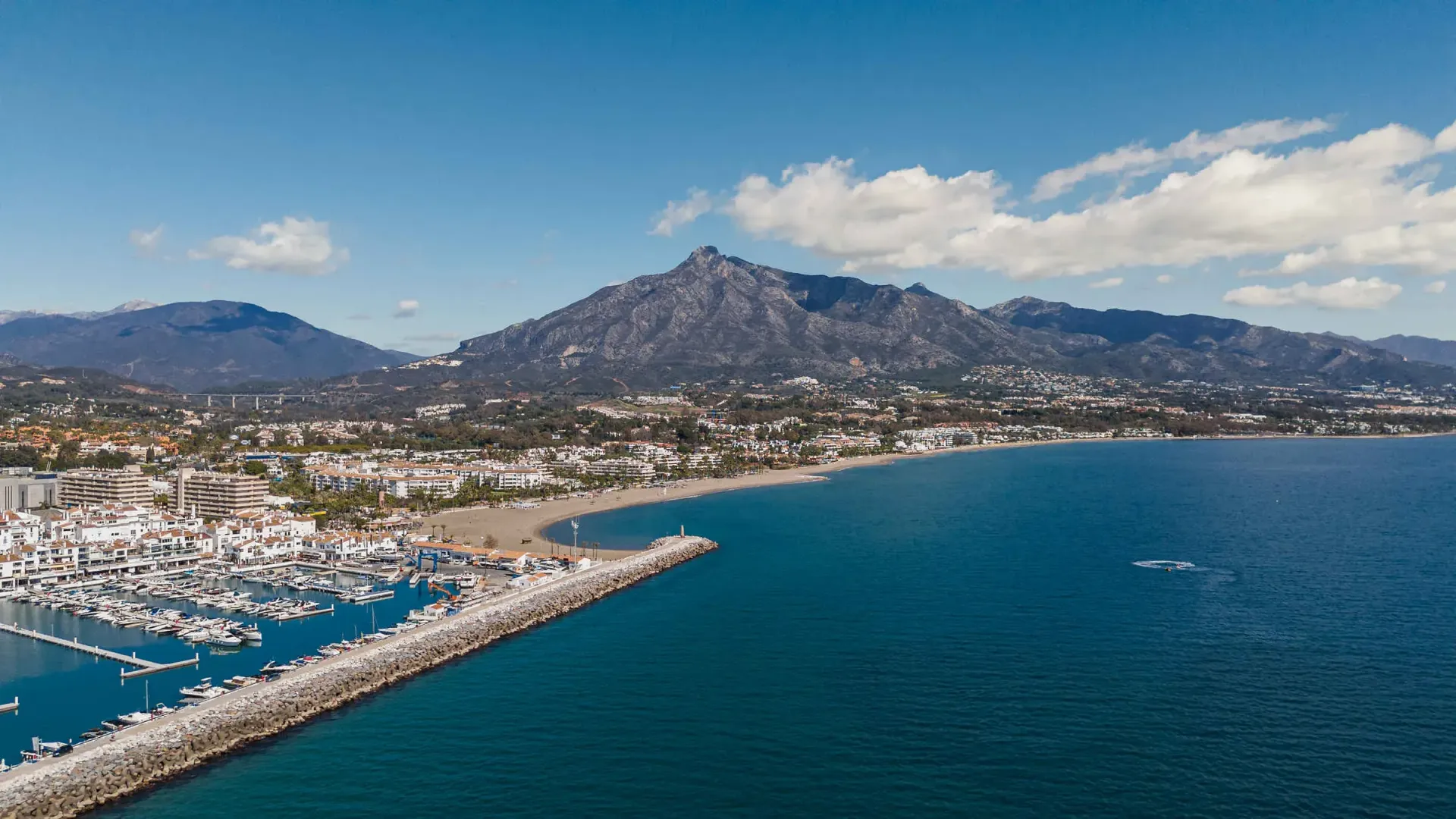
For decades, established destinations such as Marbella have dominated the conversation around high-end residential property on the Costa del Sol. Today, however, the European map of seafront living is starting to look different, with Estepona emerging as a reference point for buyers who prioritise quality of life, authenticity and long-term stability over sheer volume of supply.
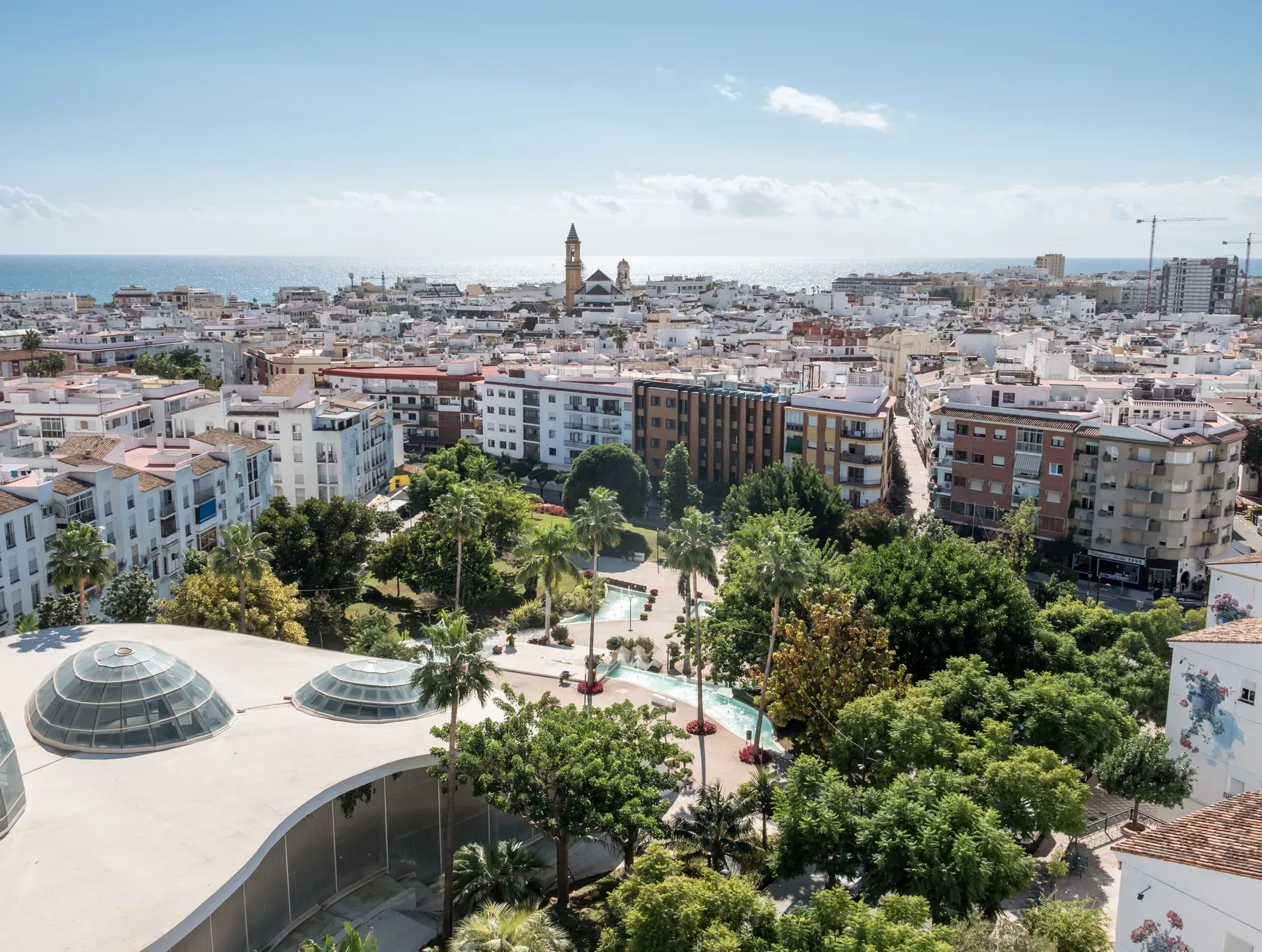
Inglés’ article for Forbes describes how Estepona has evolved from a quiet alternative into a city with a consolidated urban model, a carefully maintained historic centre and a seafront increasingly curated for year-round living rather than purely seasonal tourism. From our vantage point at Prestige Expo Group, this shift is not the product of a single project, but of sustained municipal investment and a growing community of residents who choose Estepona as their primary base.
Data & Research: How Estepona Is Outperforming
The clearest way to understand this transformation is through the numbers compiled by Prestige Expo Group Data & Research and shared with Forbes for its analysis. In 2025, transaction volume across the wider Costa del Sol declined by around 6.2%, with Marbella experiencing a drop of approximately 8.4% over the same period, signalling a slower market in some traditional hotspots.
Estepona, by contrast, recorded a 2.7% increase in property sales and an 11% rise in the average price per square metre in 2025. Over the longer term, the trend is even more pronounced: between 2016 and 2025, the average price per square metre in Estepona grew from roughly 1,552 to 3,221 euros, an increase of more than 107%, while the average transaction ticket climbed from about 201,000 to 412,000 euros.
These figures indicate not a short-lived spike, but a structural revaluation of Estepona as a seafront residential market. In our view, they reflect a combination of limited prime seafront supply, improved public realm, and growing recognition among international buyers that the city offers a balanced mix of infrastructure, services and Mediterranean identity.
Scarcity and the Prime Seafront Market
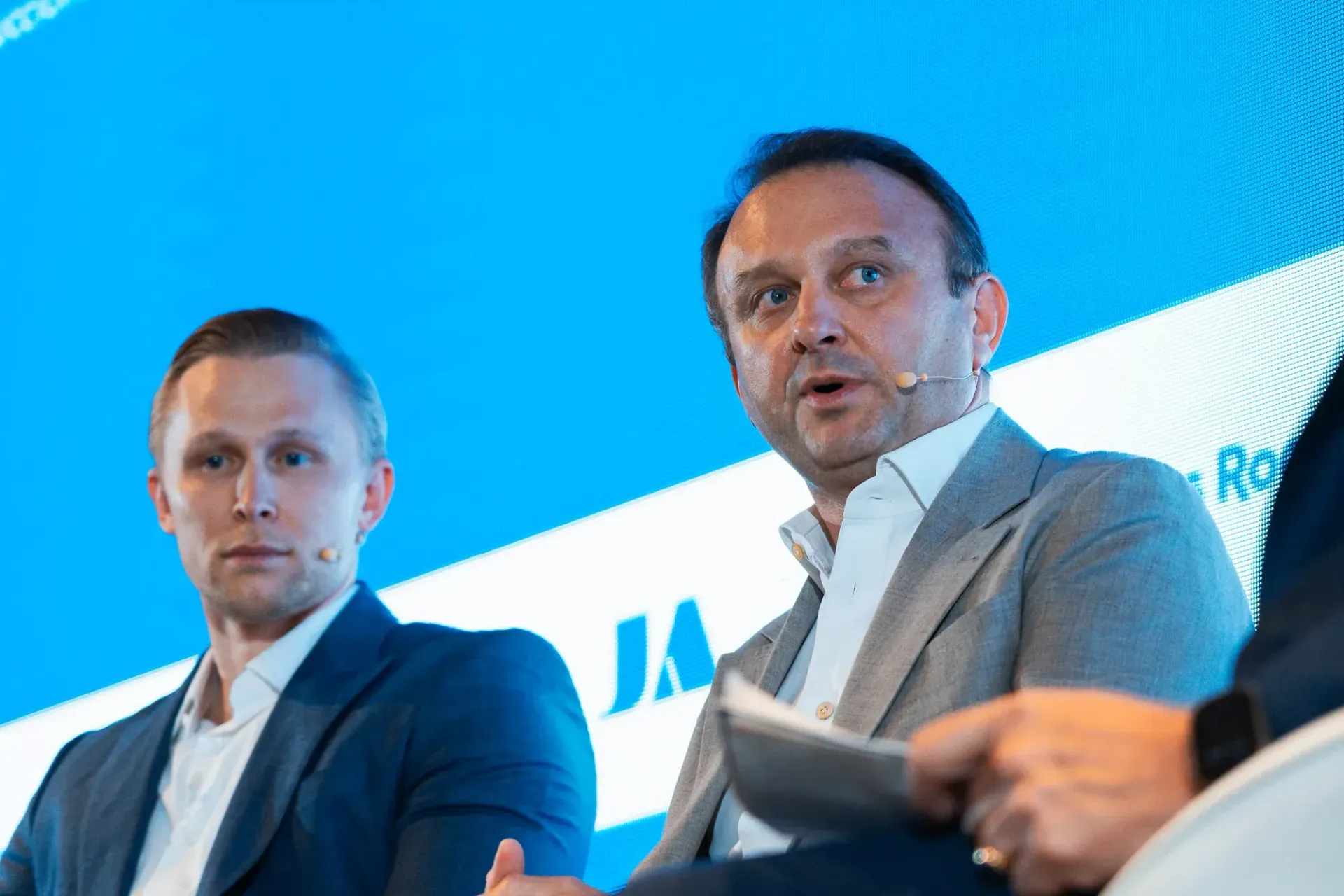
In his conversation with Forbes, Prestige Expo Group Co-founder Vitaliy Rushchynskyy emphasises that the Costa del Sol is not experiencing a property bubble, but is instead consolidating as an international asset class. The distinction is important: a bubble is defined by speculative excess, whereas an asset class is built on stable demand and clear fundamentals.
Rushchynskyy summarises this idea in a sentence that has become central to how we interpret the prime market: “Prime housing is not a question of price, but of scarcity. Price corrects over time; scarcity does not.” In the context of Estepona, scarcity refers not only to the limited number of true seafront plots, but also to the discipline with which the city has preserved its historic centre, its coastal path and the coherence of its urban fabric.
From an investment standpoint, this means that value in the prime seafront residential segment is increasingly driven by access to irreplaceable locations with well-planned surroundings, rather than by short-term fluctuations in asking prices. As a result, the notion of seafront value is being redefined around quality of public space, walkability and integration into a functioning city.
The Profile of the International Buyer
The data shared with Forbes also sheds light on who is driving this change. According to Prestige Expo Group Data & Research, non-resident buyers now account for around 77.7% of property transactions in Estepona, with international clients representing roughly 69.3% of the market. The most active nationalities include the Netherlands, the United Kingdom, Poland, Sweden and Belgium.
This buyer profile is markedly different from the purely holiday-oriented demand of previous decades. Many of these clients look for a primary or long-term home that combines privacy, seafront proximity, access to international schools, healthcare, cultural amenities and a stable regulatory environment. For them, Estepona offers the possibility of building a life structured around the Mediterranean, without renouncing the services and connectivity expected of a contemporary European city.
Tyrian Residences: A Case Study in Prime Seafront Living
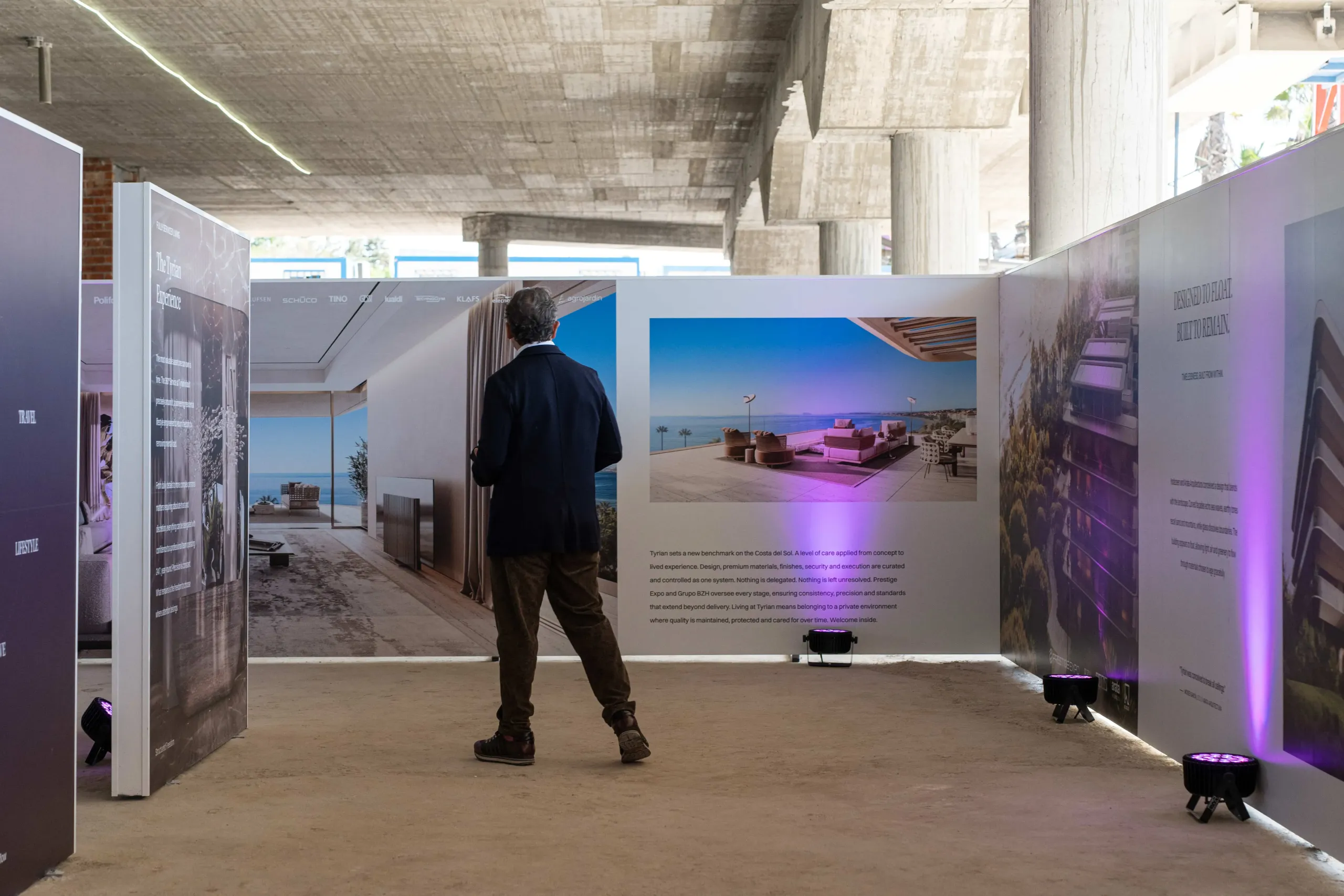
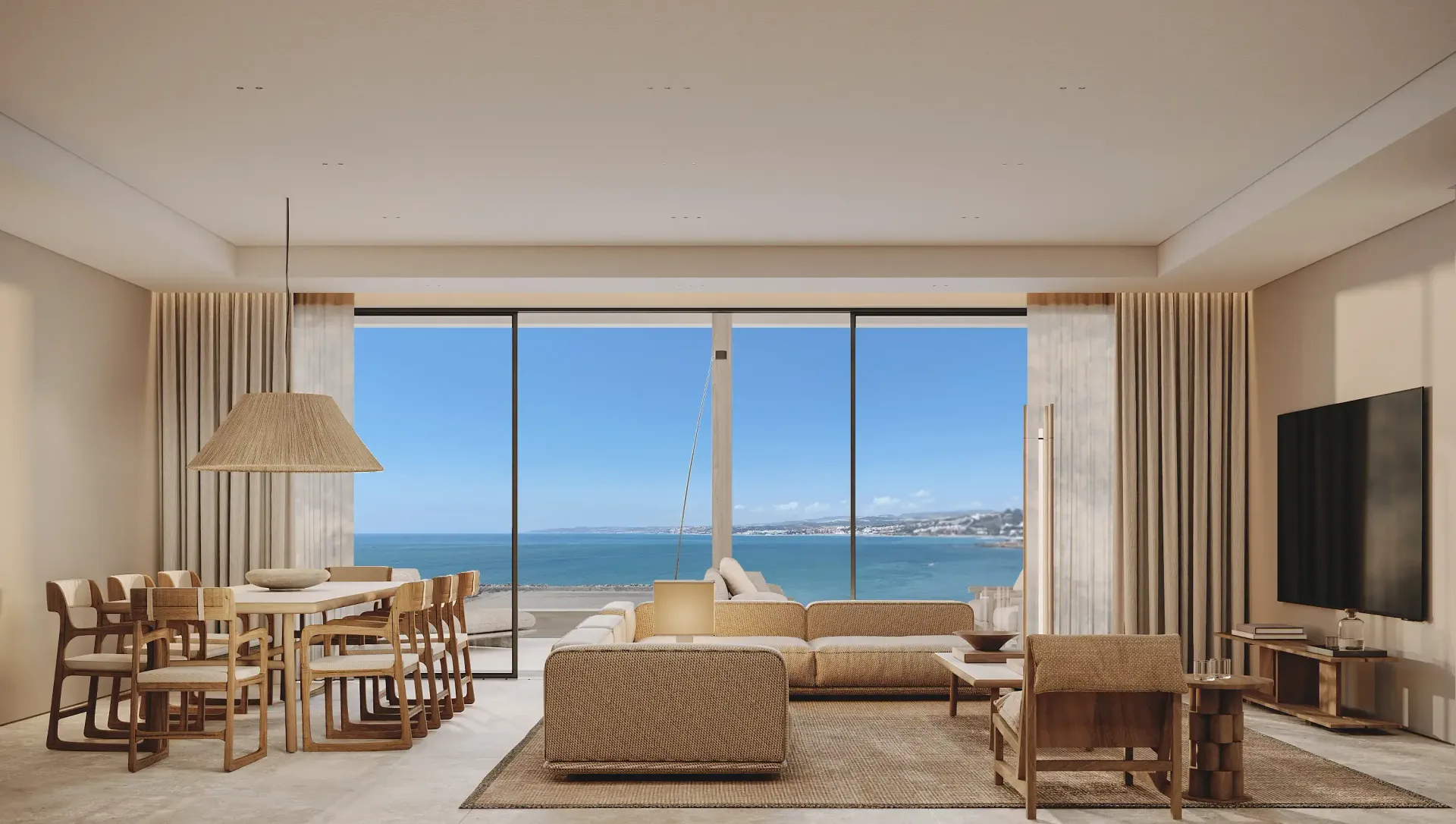
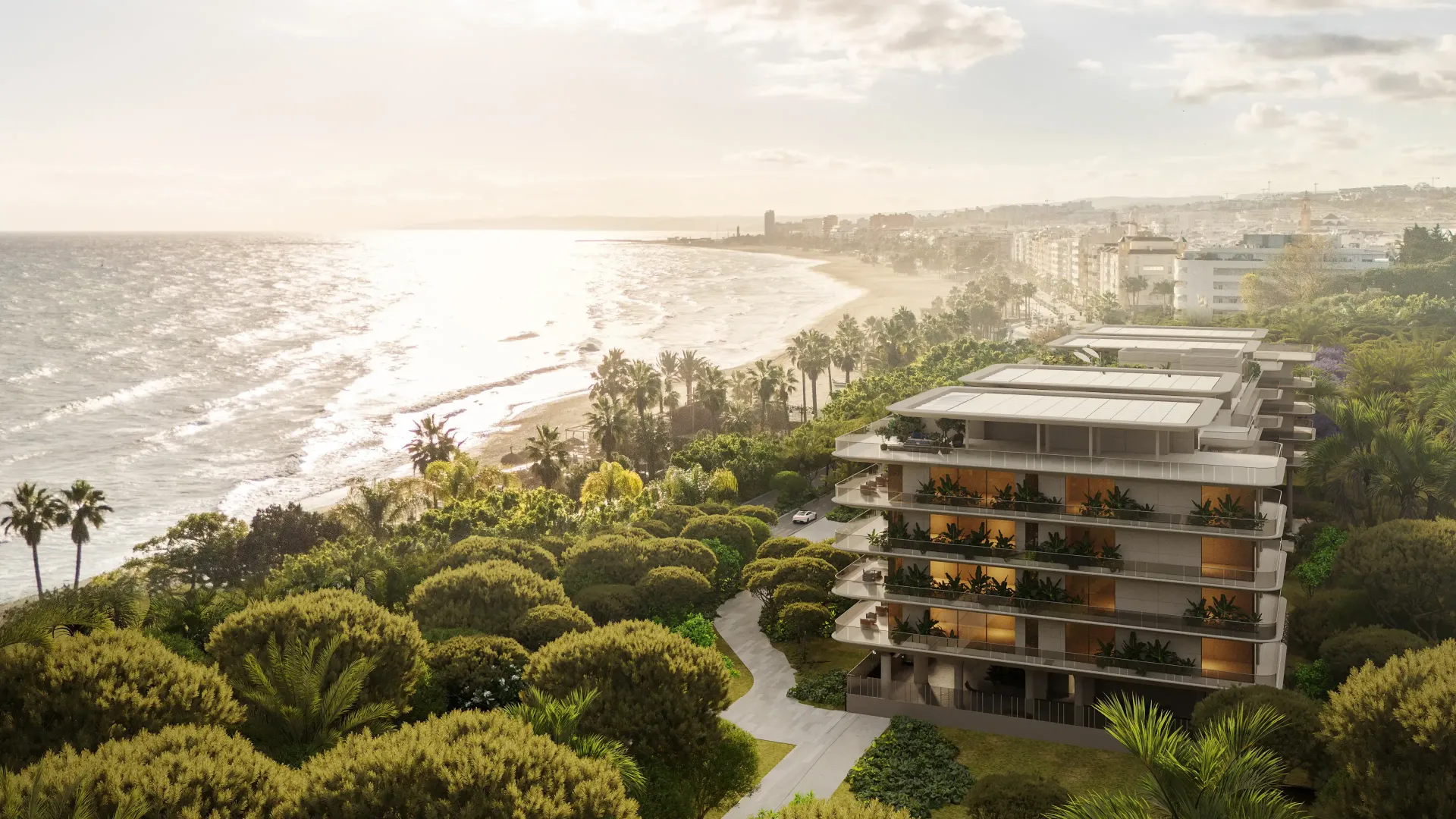
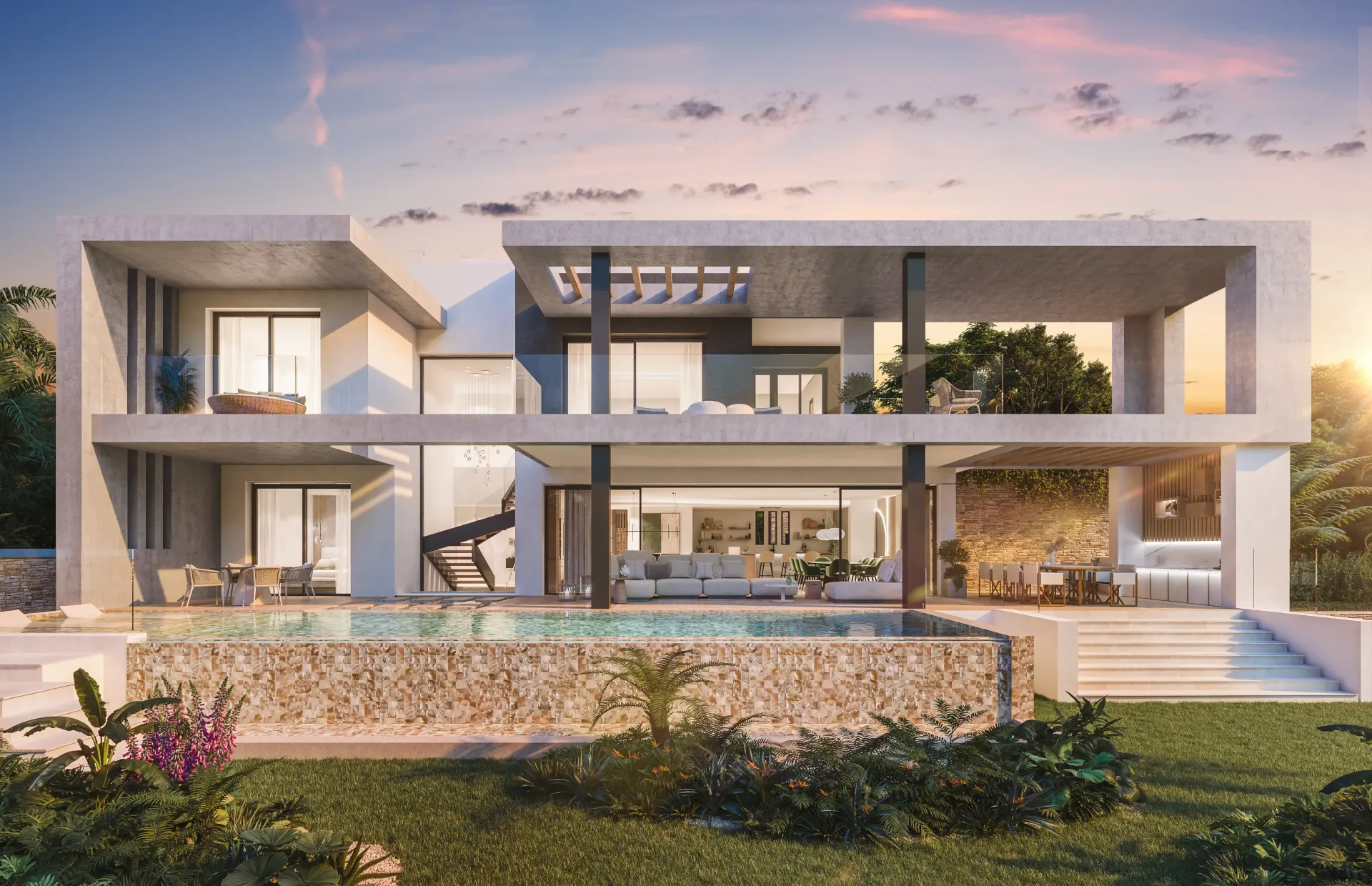
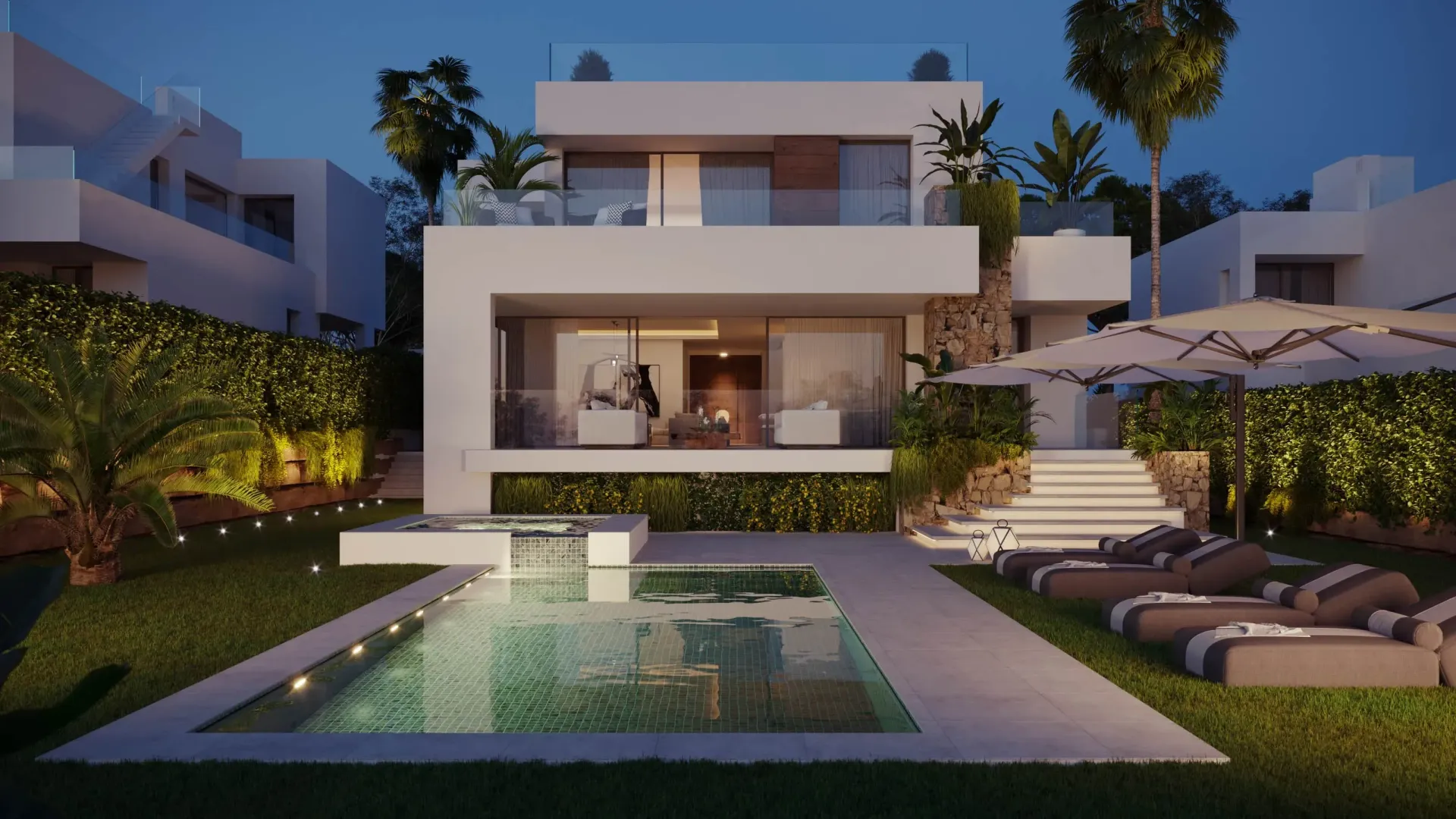
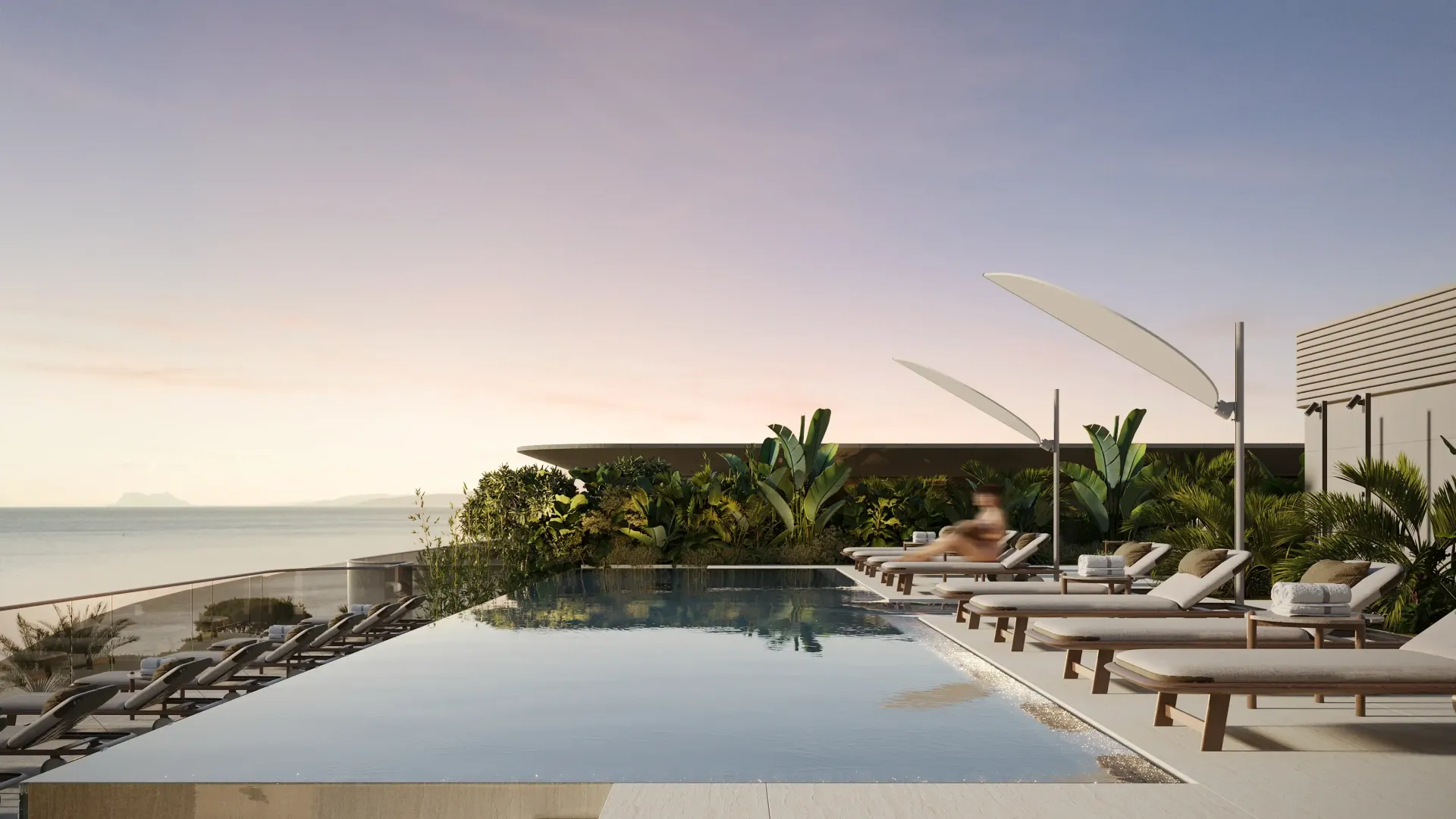
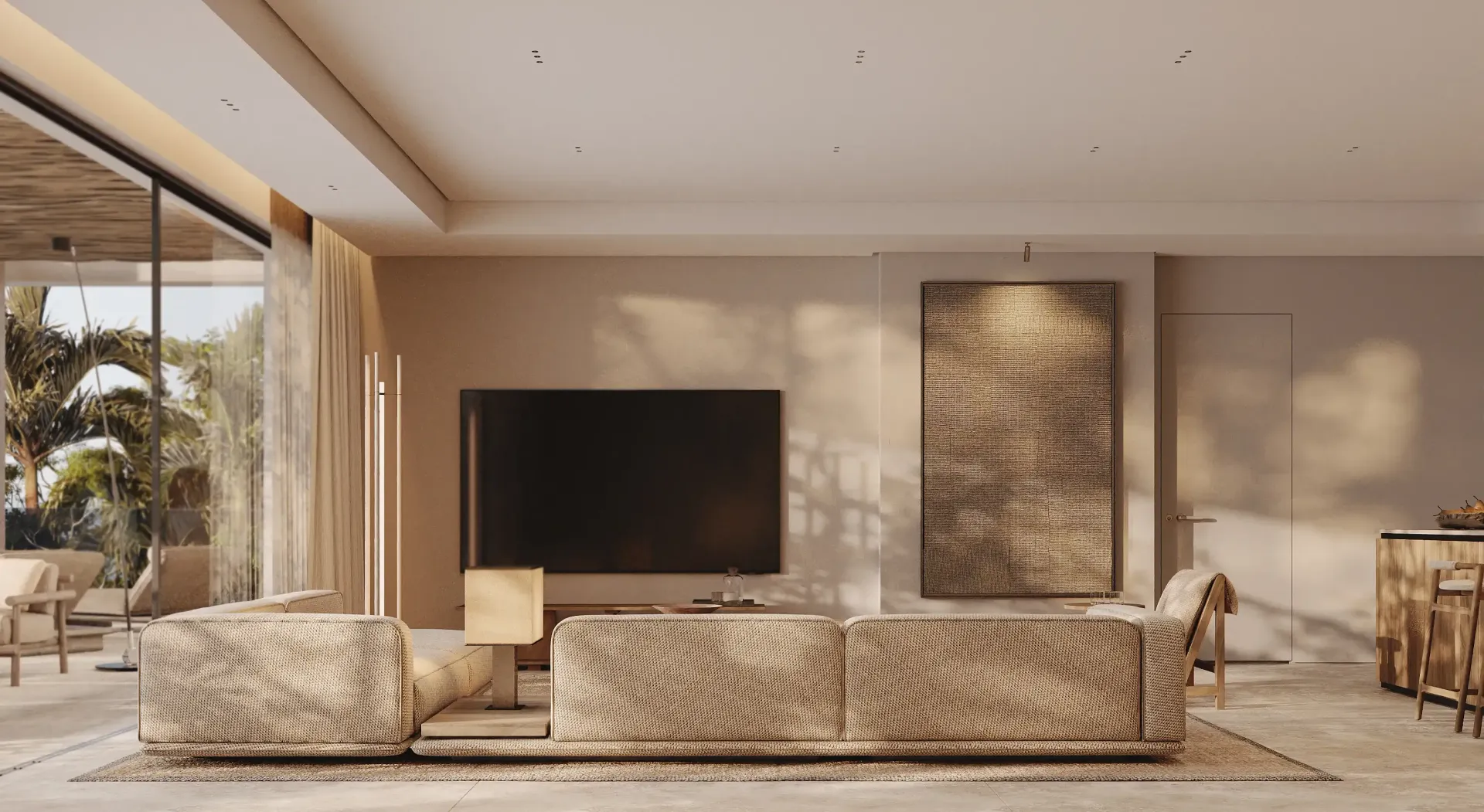
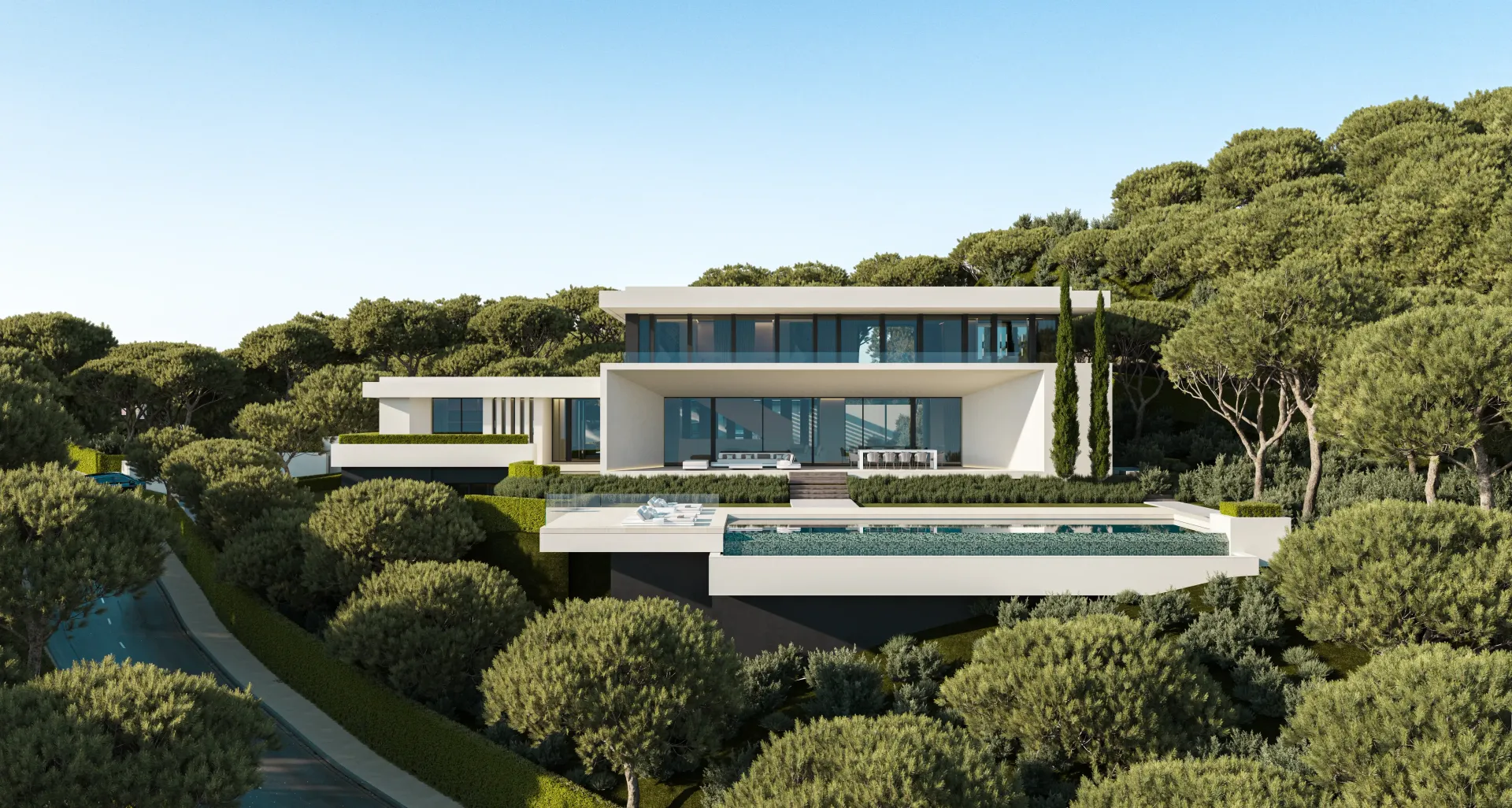
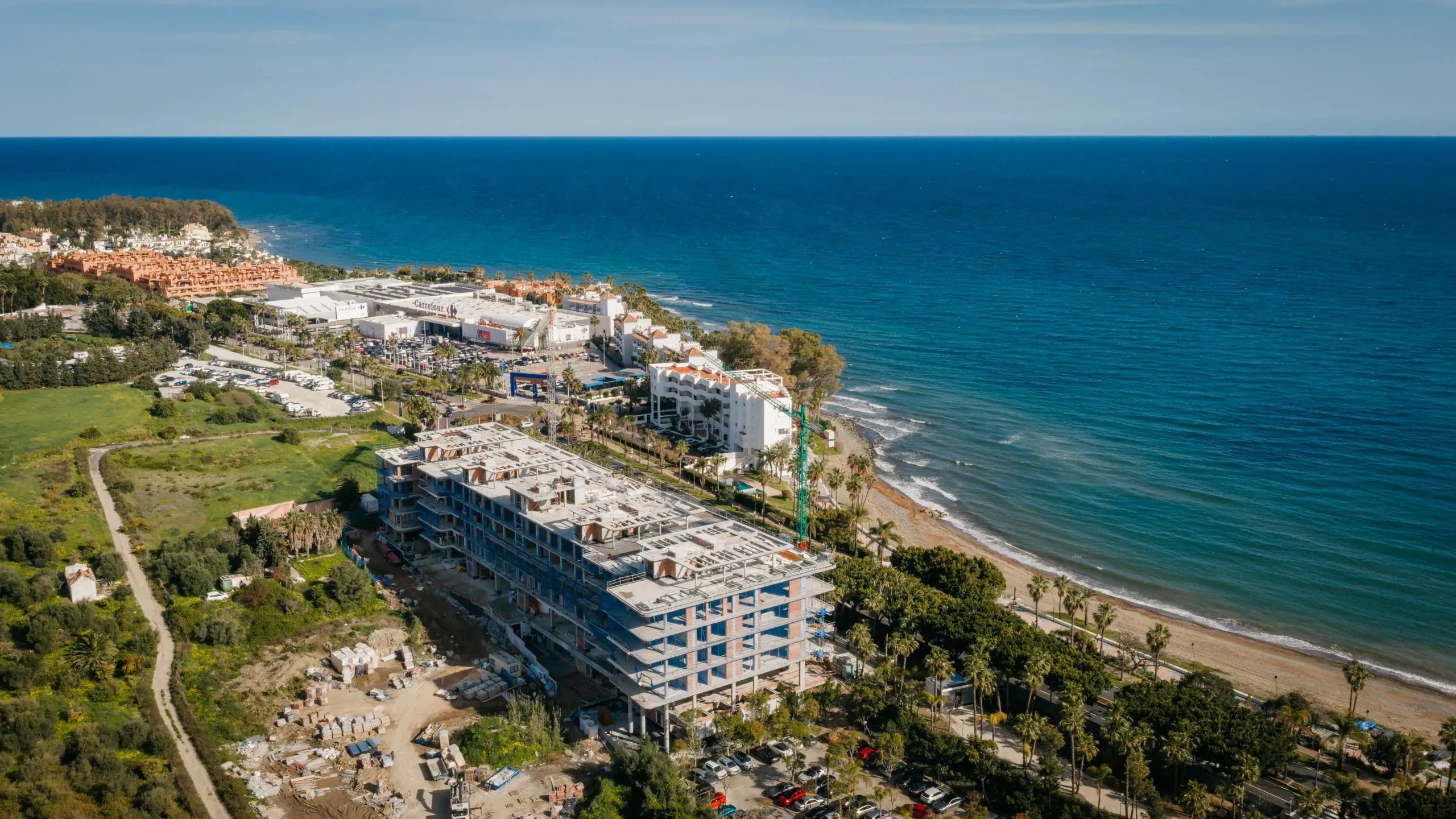
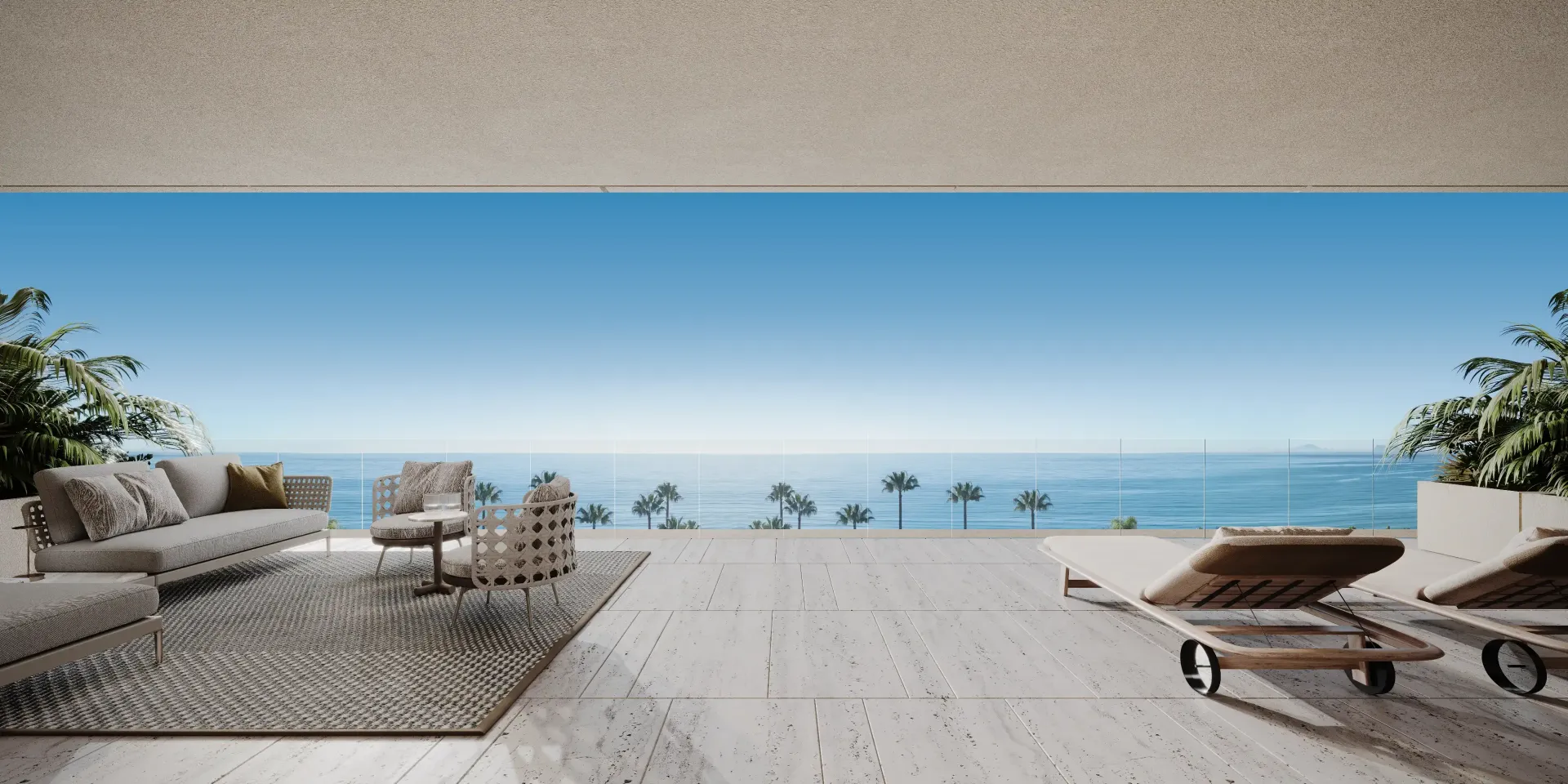
Within this broader context, Forbes highlights Tyrian Residences as one of the projects that exemplify the new cycle of seafront residential development in Estepona. Co-developed by Prestige Expo Group and Grupo BZH, Tyrian comprises 40 prime seafront homes conceived as “villas in the sky”, with interior surfaces ranging from approximately 283 to over 1,000 square metres. The development was recognised in 2025 by the European Property Awards as Spain’s best residential project.
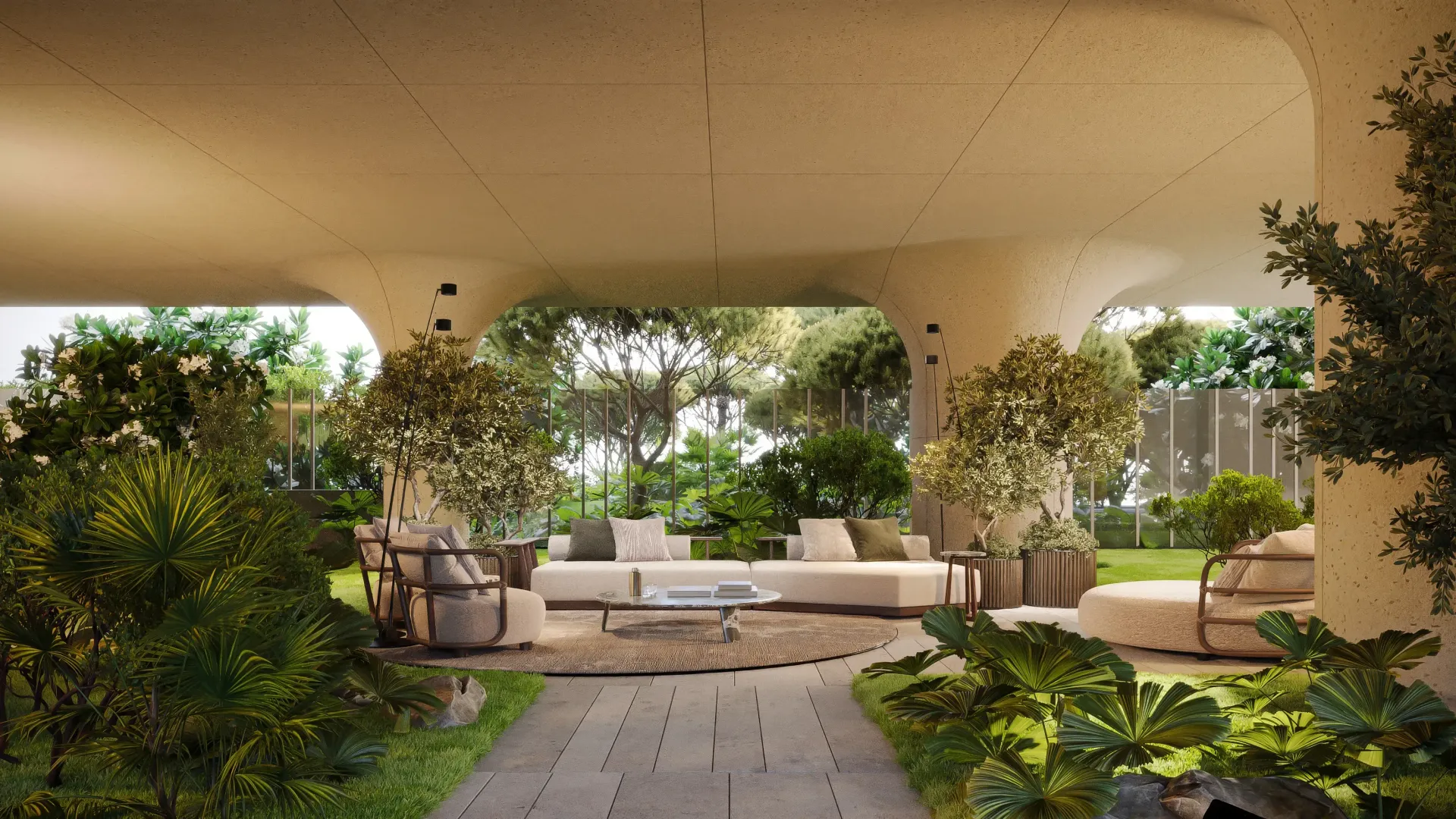
Beyond its scale and positioning, Tyrian is designed to generate a positive impact on the city through the Smart Boulevard, an 8,000-square-metre landscaped corridor with water-efficient vegetation that opens up a new layer of public space along the seafront. Integrated into this boulevard is Malva Beach by Txema Palacio, a seafront restaurant that combines Basque culinary tradition with Andalusian produce and offers reserved areas and direct service to the residences. Together, these elements materialise our vision of seafront living as a curated everyday experience rather than a purely seasonal amenity.
For buyers, Tyrian illustrates how scarcity can be translated into architecture and urban design: limited number of homes, true seafront location, and a lifestyle ecosystem that is as much about the boulevard, the restaurant and the city around them as it is about the interiors themselves.
Beyond Real Estate: A City Built for Everyday Life
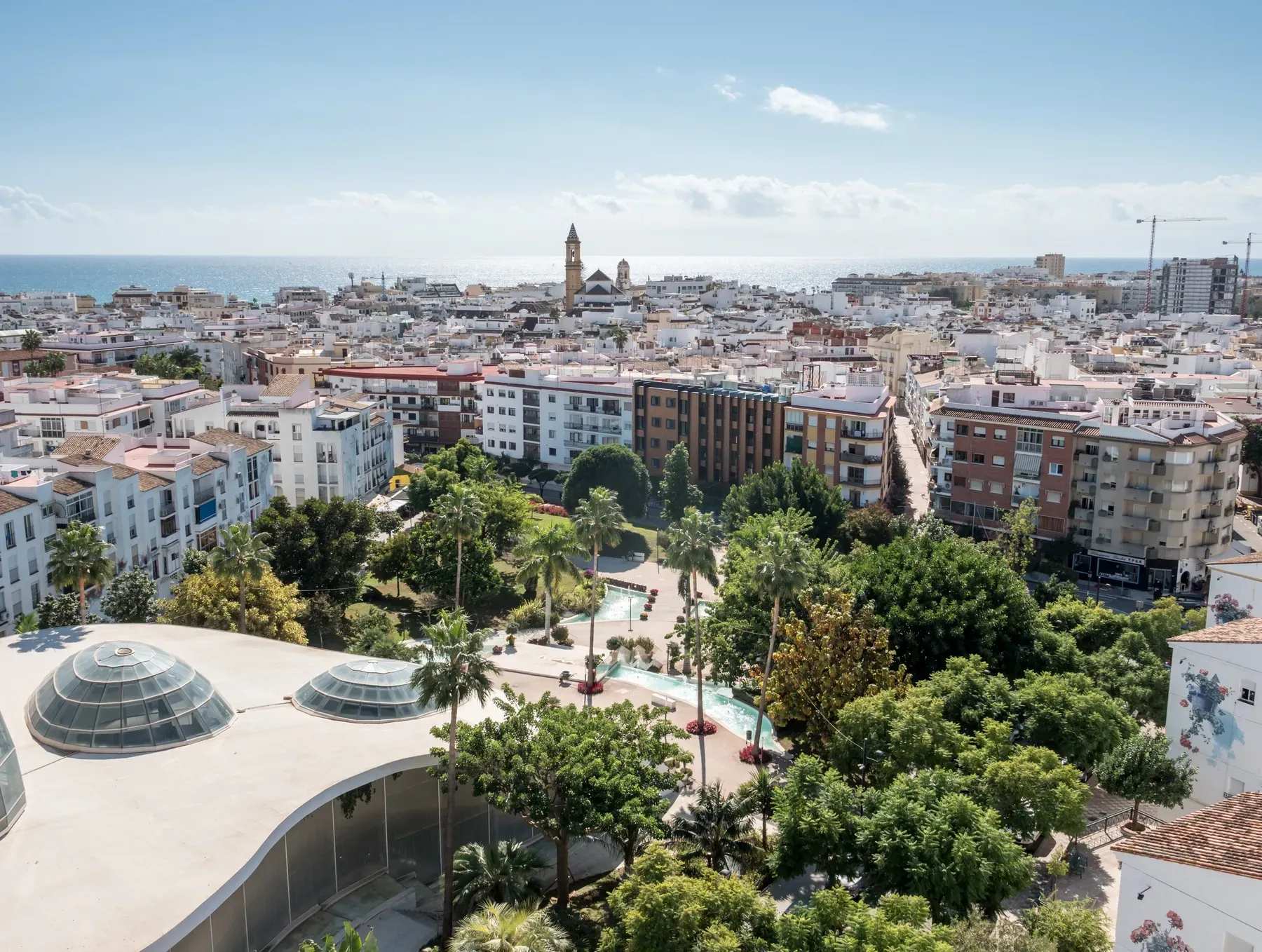
The evolution described by Forbes and supported by our data is not limited to property metrics. Over the past decade, Estepona has invested significantly in educational facilities, healthcare provision, cultural venues and mobility infrastructure, strengthening its position as a city designed for everyday life, not only for holiday stays.
One of the most visible examples is the continuous improvement of the coastal path, which connects large portions of the seafront for pedestrians and cyclists and is now close to full completion. At the same time, projects such as Mirador del Carmen and various cultural initiatives have added depth to the city’s public life. According to official figures cited by Forbes, unemployment in Estepona has fallen by more than 41% between June 2016 and June 2026, underlining the impact of this long-term strategy on the local economy.
Taken together, these developments suggest that the prime seafront residential market in Estepona is anchored in a broader urban story: a medium-sized Mediterranean city that has chosen to invest in public space, social infrastructure and economic diversification, and is now seeing that effort reflected in sustained demand and rising values.
Frequently Asked Questions (FAQ)
Why is Estepona becoming a reference point for the seafront residential market in Europe?
Estepona combines a carefully maintained historic centre, a largely continuous coastal path and a limited supply of true seafront plots with long-term municipal investment in public space, services and infrastructure. Together, these factors have attracted international demand and positioned the city as a differentiated destination within the Costa del Sol.
How has the price per square metre evolved in Estepona over the last decade?
According to figures compiled by Prestige Expo Group Data & Research and referenced by Forbes, the average price per square metre in Estepona has risen from around 1,552 euros in 2016 to approximately 3,221 euros in 2025, representing growth of more than 107% over that period, alongside a significant increase in average transaction values.
What role does Prestige Expo Group Data & Research play in Forbes’ analysis of the market?
Forbes’ article draws on proprietary data provided by Prestige Expo Group Data & Research to illustrate how Estepona’s market has evolved relative to other destinations on the Costa del Sol. Our team aggregates and interprets transaction data, price trends and buyer profiles, offering an analytical basis for understanding the city’s current cycle.
What makes Tyrian Residences different from other seafront developments on the Costa del Sol?
Tyrian Residences offers a limited collection of prime seafront “villas in the sky”, recognised by the European Property Awards, and integrates the Smart Boulevard and Malva Beach by Txema Palacio to create a curated lifestyle ecosystem that benefits both residents and the wider city. This combination of scarcity, design ambition and positive urban impact distinguishes the project within the regional market.
How is scarcity reshaping the prime seafront residential market?
As highlighted by Vitaliy Rushchynskyy in his interview with Forbes, scarcity is becoming the main driver of value in the prime segment: prices can fluctuate over time, but the number of well-located, thoughtfully planned seafront assets in cities like Estepona is inherently limited. This dynamic is leading buyers and investors to focus less on short-term price movements and more on the uniqueness and resilience of each location.
News & Insights