30 June, 2025
contents
Introduction
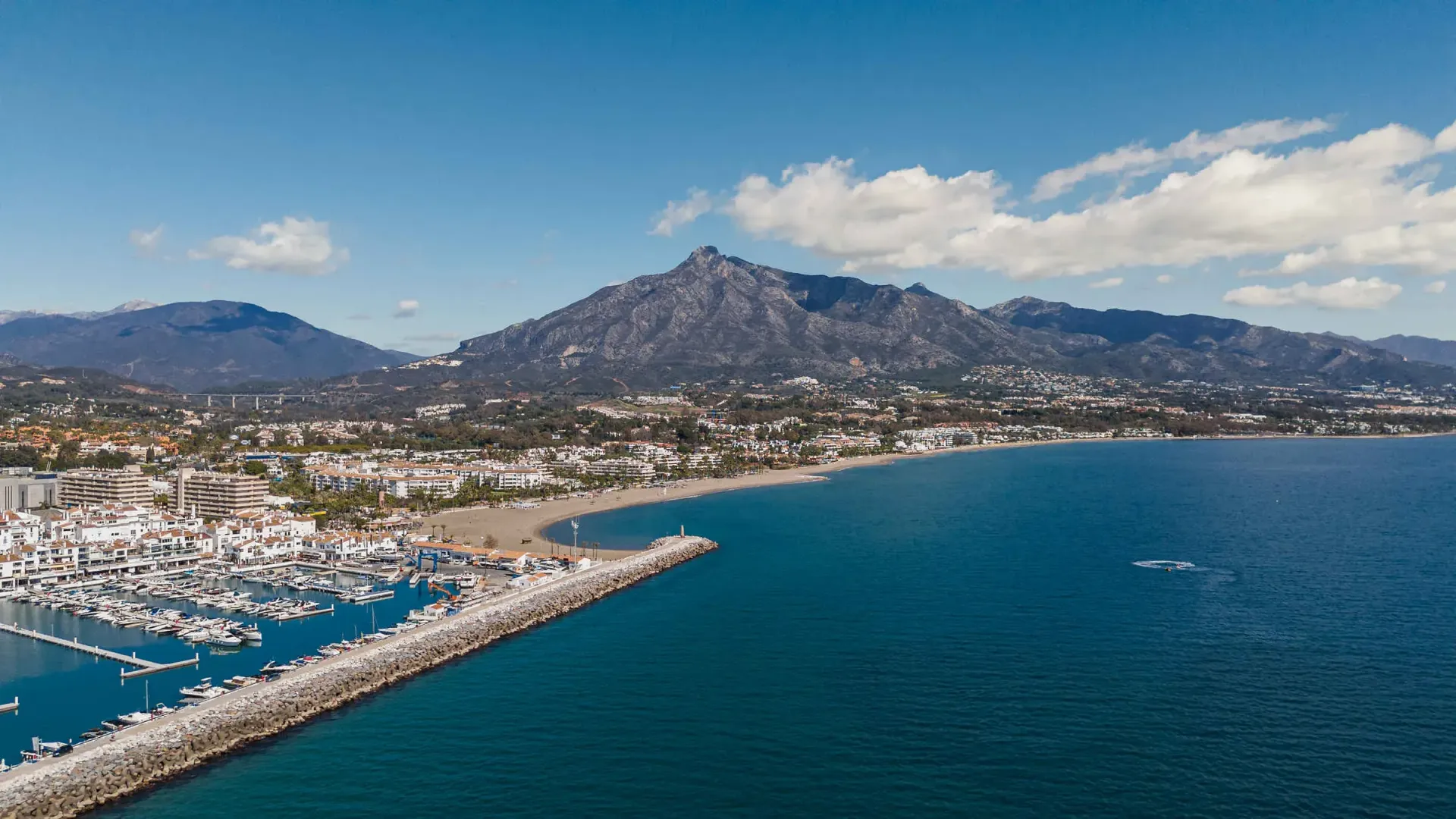
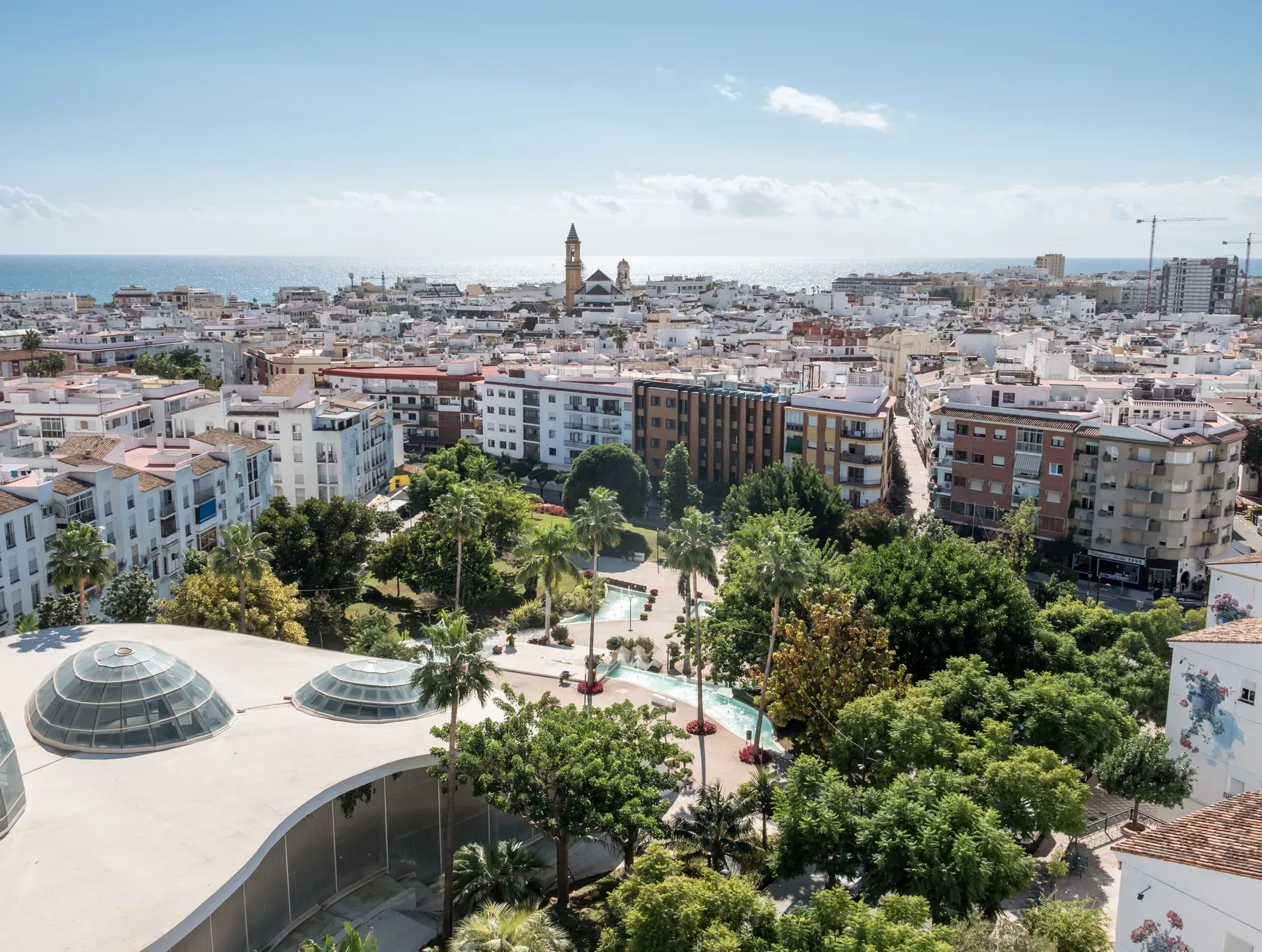
Estepona, situated at the core of the Golden Triangle—comprising Marbella, Estepona, and Benahavís—has transitioned from a traditional fishing village into the undisputed “jewel of the Costa del Sol”,. This transformation is rooted in a decade-long strategic urban renewal that repositions the municipality as a primary choice for High-Net-Worth Individuals (HNWIs). Estepona offers a unique blend of authentic Mediterranean lifestyle, structurally sound sustainability, and dynamic investment potential that promises superior economic outperformance compared to its regional peers,.
Key Investment Insights
- Estepona is leading regional growth rates (up to +15% annually), offering superior capital appreciation and stronger ROI potential than Marbella.
- Structural resilience is guaranteed by the region’s first Low Emission Zone (LEZ) and a major solar-powered water self-sufficiency project.
- Pioneering beachfront luxury is established by the WELL Silver certified, fully serviced Tyrian Residences, setting a new regional benchmark for resident wellbeing.,
I. The Investment Case: Growth, Value, and Fiscal Stability
Comparative Growth Leadership
The market validation for Estepona is robust. While Marbella maintains prestige, Estepona is currently demonstrating the highest percentage growth rates in the Golden Triangle. Recent data confirms impressive year-on-year growth ranging from +13% to +15%, which is higher than Marbella’s recorded growth (up to +10.8%).
Optimal Price Positioning and Upside Potential
For investors, the price differential is critical to future performance. Estepona’s average sale price stands at approximately €3,735 to €4,057 per square meter, placing it distinctly below Marbella’s higher average of approximately €4,800 to €4,961 per square meter. This pricing gap positions Estepona as a "middle-ground market with upside potential," offering a lower barrier to entry and stronger percentage returns for investors focused on ROI.
Governance and Financial Security
Estepona reduces investment risk through transparent and rigorous fiscal management. The City Council has successfully cleared over €300 million in inherited debt, achieving a “debt-zero” status. This stability is complemented by a committed fiscal approach, including a massive allocation of €6.6 million to continue reducing the real-estate tax (IBI), maintaining the biggest tax reduction in the city’s history.
II. Structural Sustainability and Climate Resilience
Pioneering the Low Emission Zone (LEZ)
Estepona has set a regional precedent by becoming the first town along the Costa del Sol to establish a Low Emission Zone (ZBE). This initiative champions sustainable transportation by progressively restricting access for the most polluting vehicles in the old town centre.
The restrictions intensify over phases: by 2024, vehicles require at least a "B" sticker, and by 2025, regulations encompass vehicles with a "C" sticker between 8:00 a.m. and 9:00 p.m. Crucially, exemptions are granted to local cars, deliveries, and vehicles accessing public parking or hotels.
Autonomous Water Security Strategy
Estepona’s most decisive act of climate resilience is its proactive, self-sufficient water management strategy, specifically designed to address drought. The cornerstone is the fast-build, containerized desalination project near the Castor River.
This plant is designed for energy self-sufficiency, powered by a 5 MWh solar array. The initial capacity is planned to produce 20,000 cubic meters of water per day. This structural investment, which was already undergoing tests as of February 2025, fundamentally de-risks the local property market by shielding values from region-wide water supply challenges.
Residential Innovation: The WELL Standard
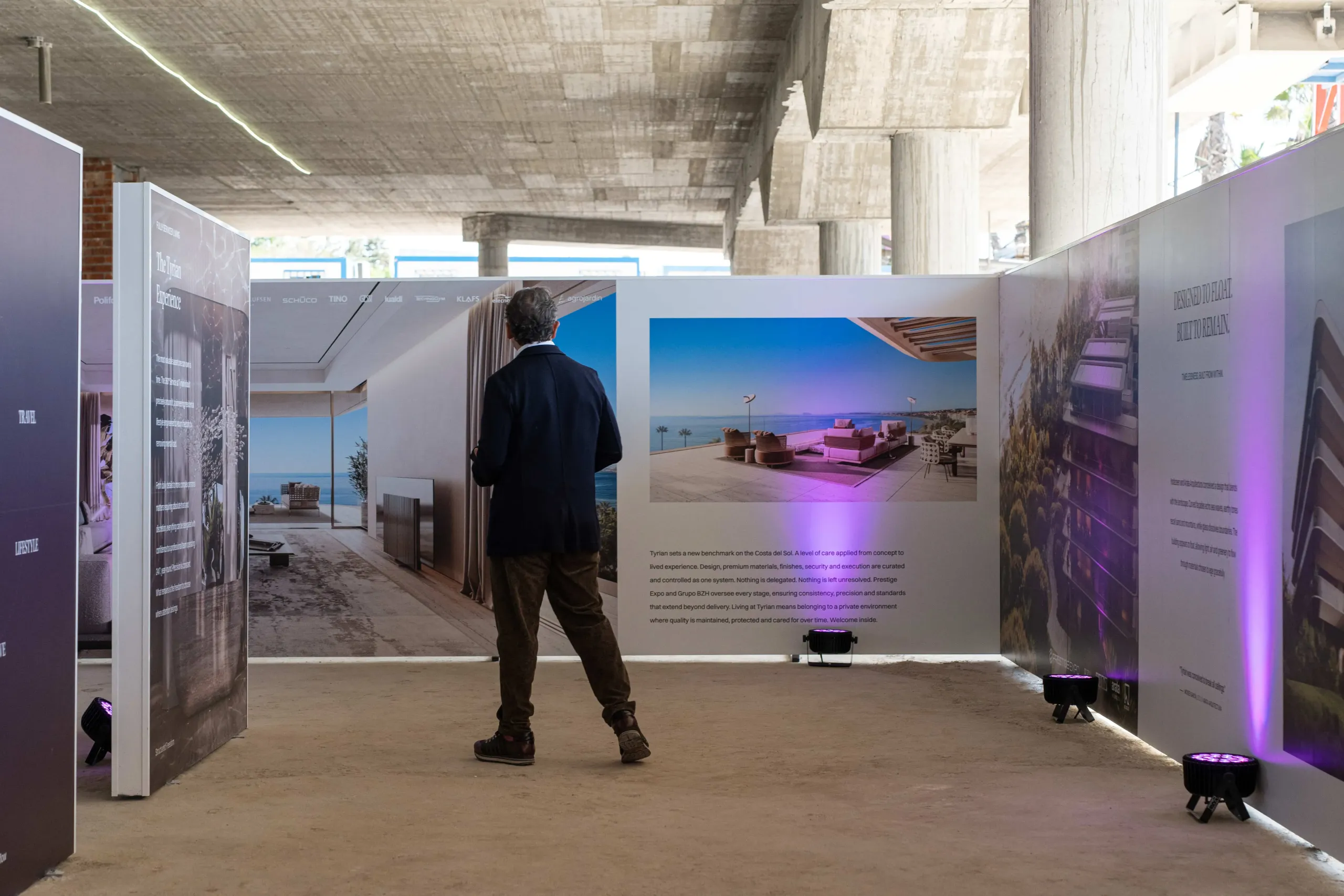
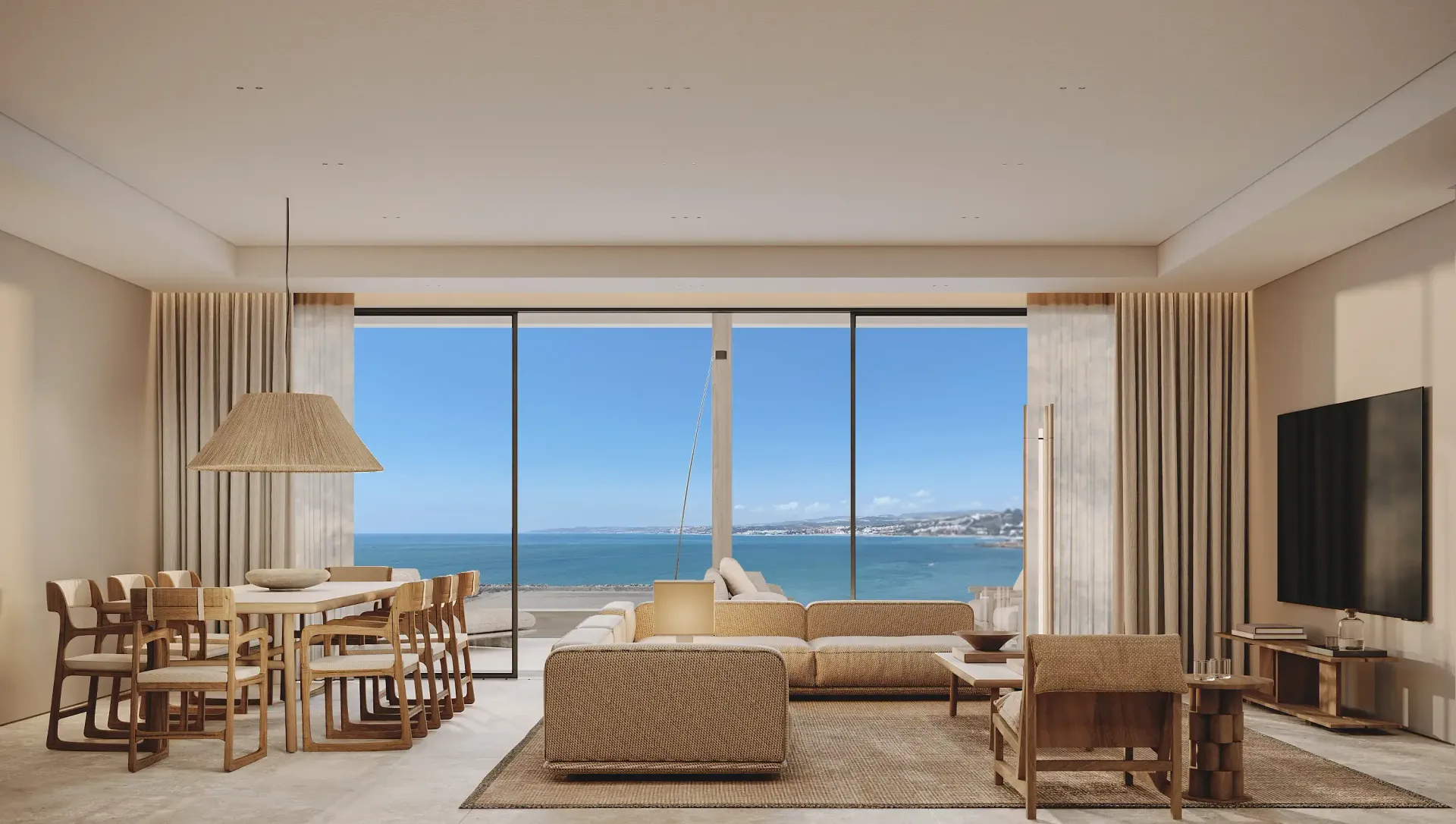
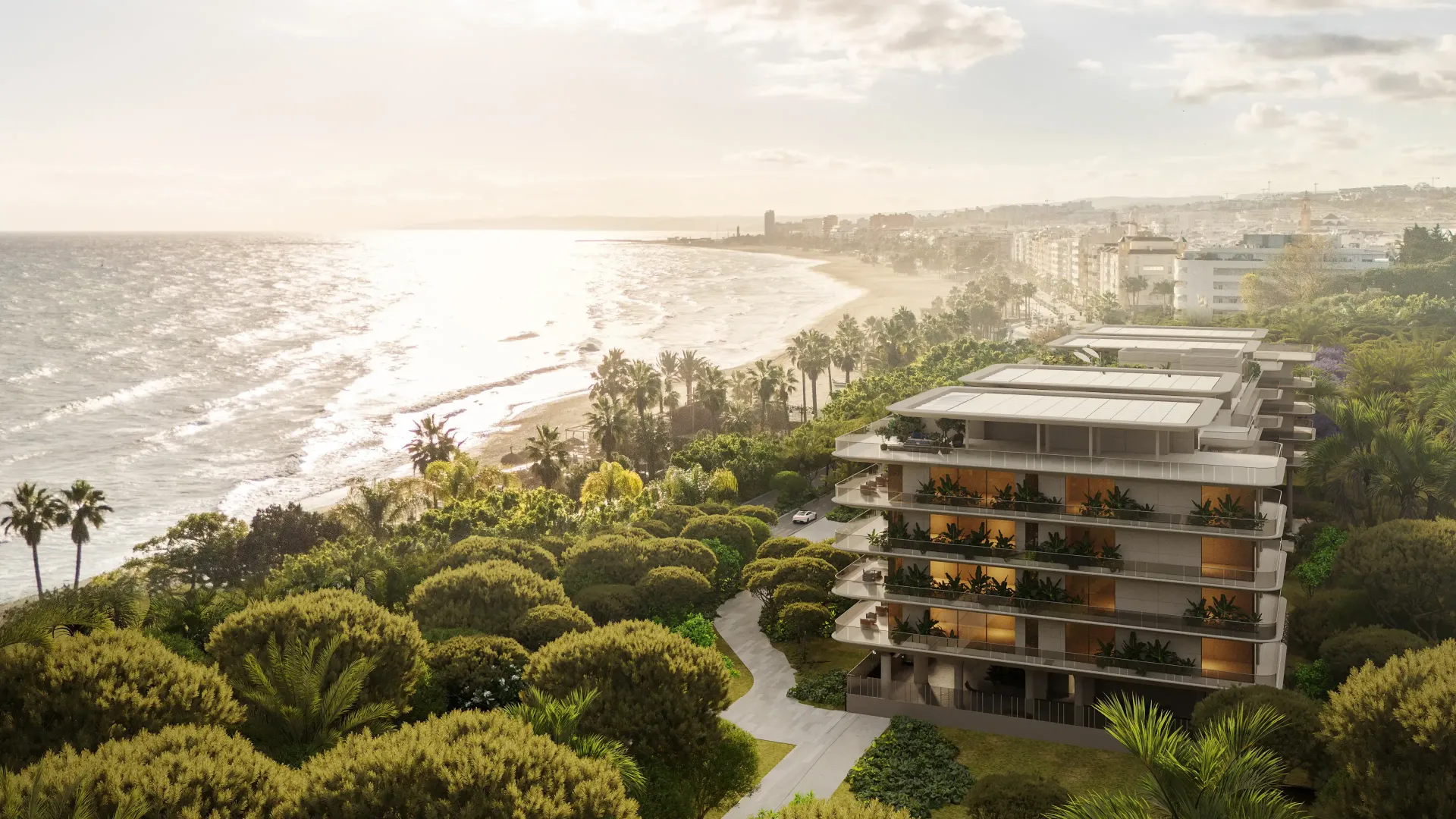
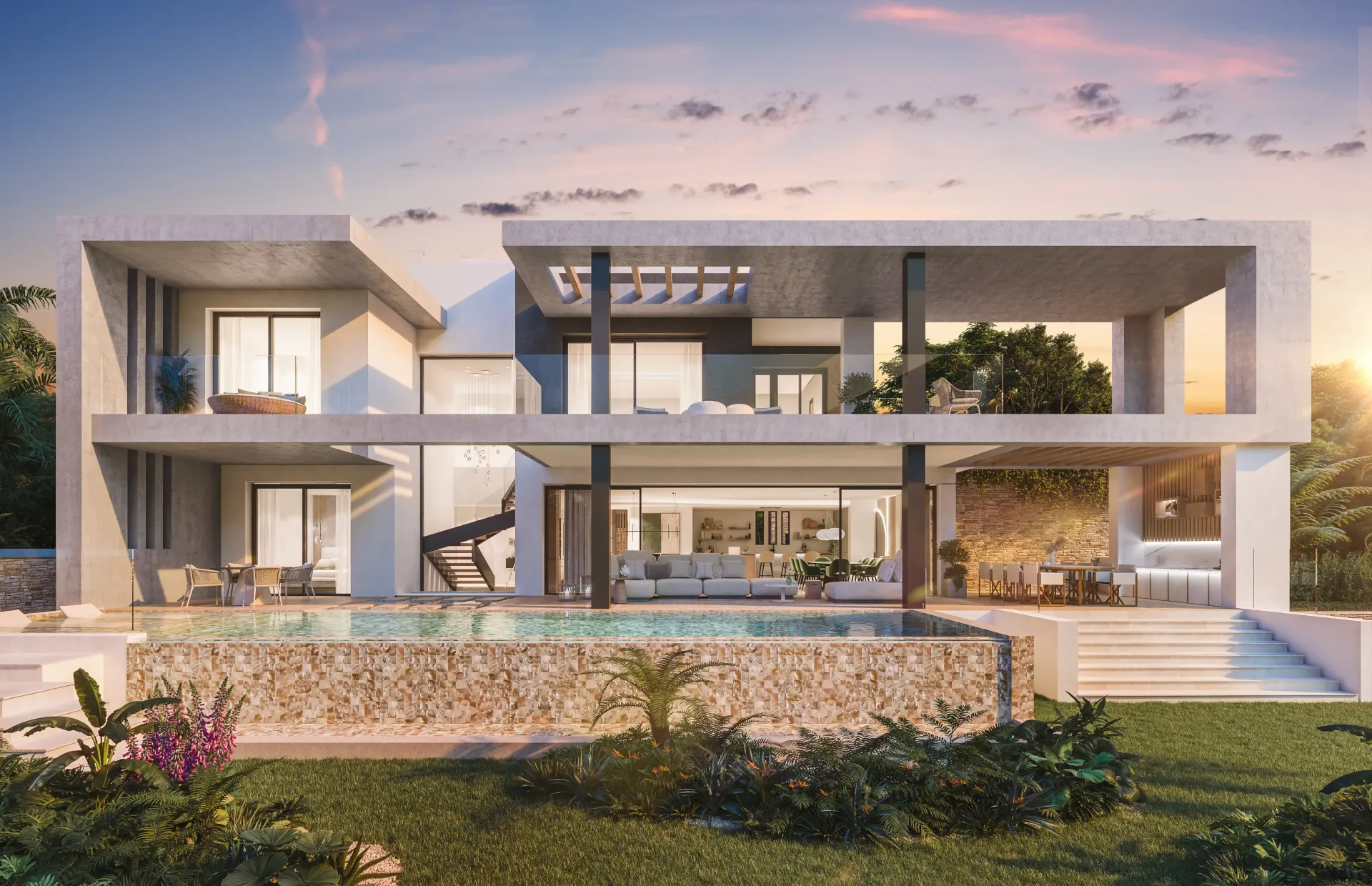
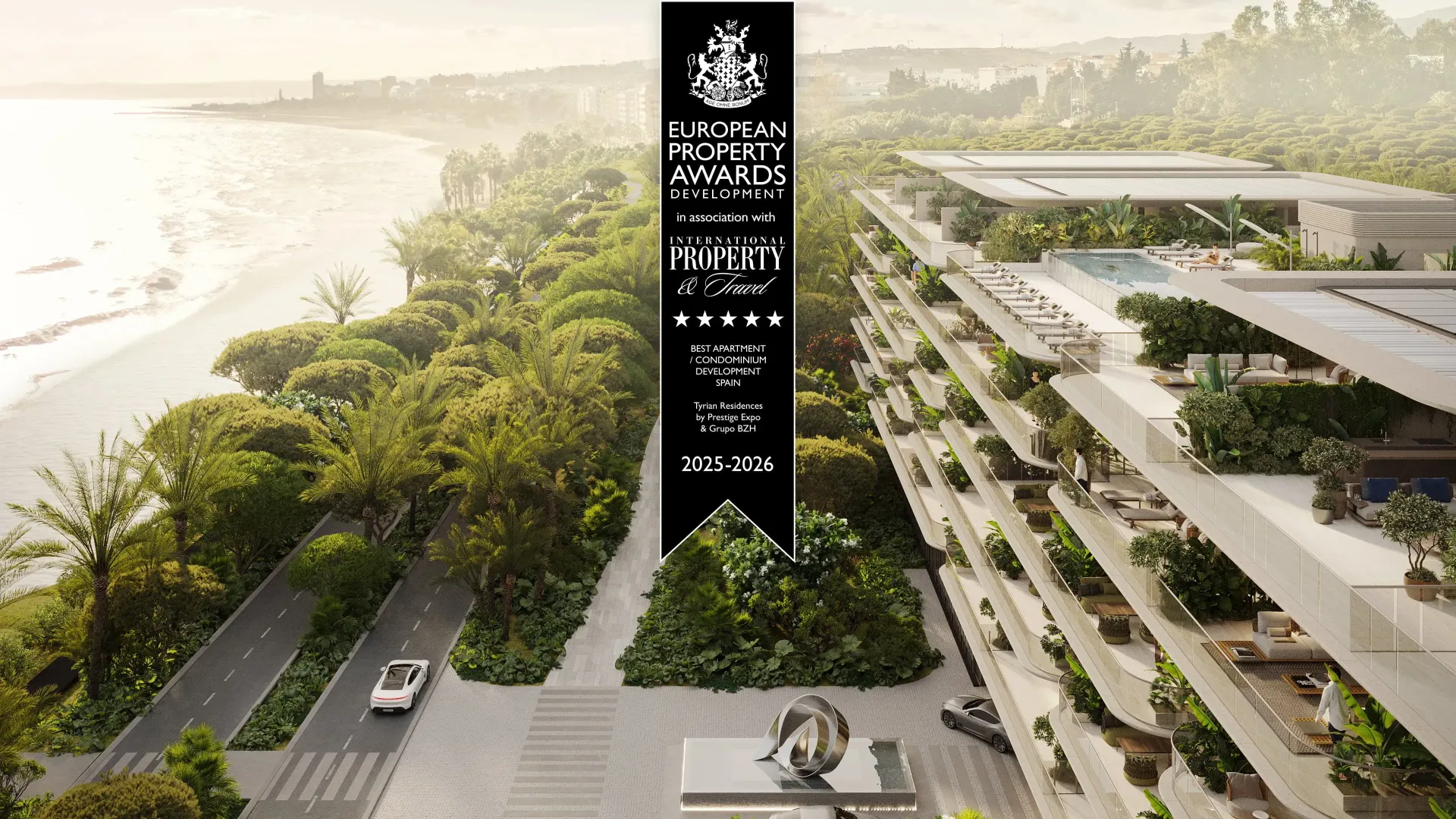
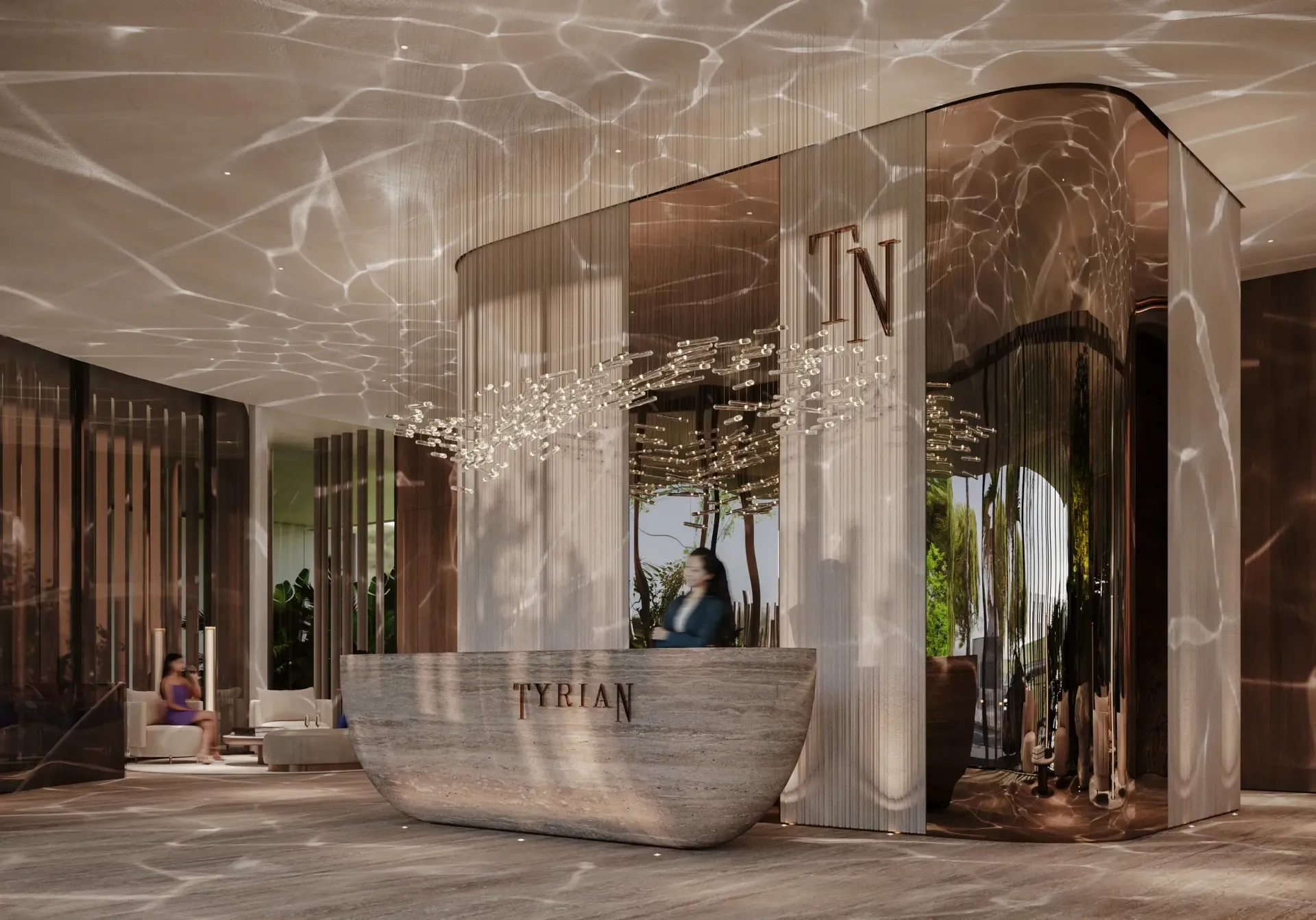
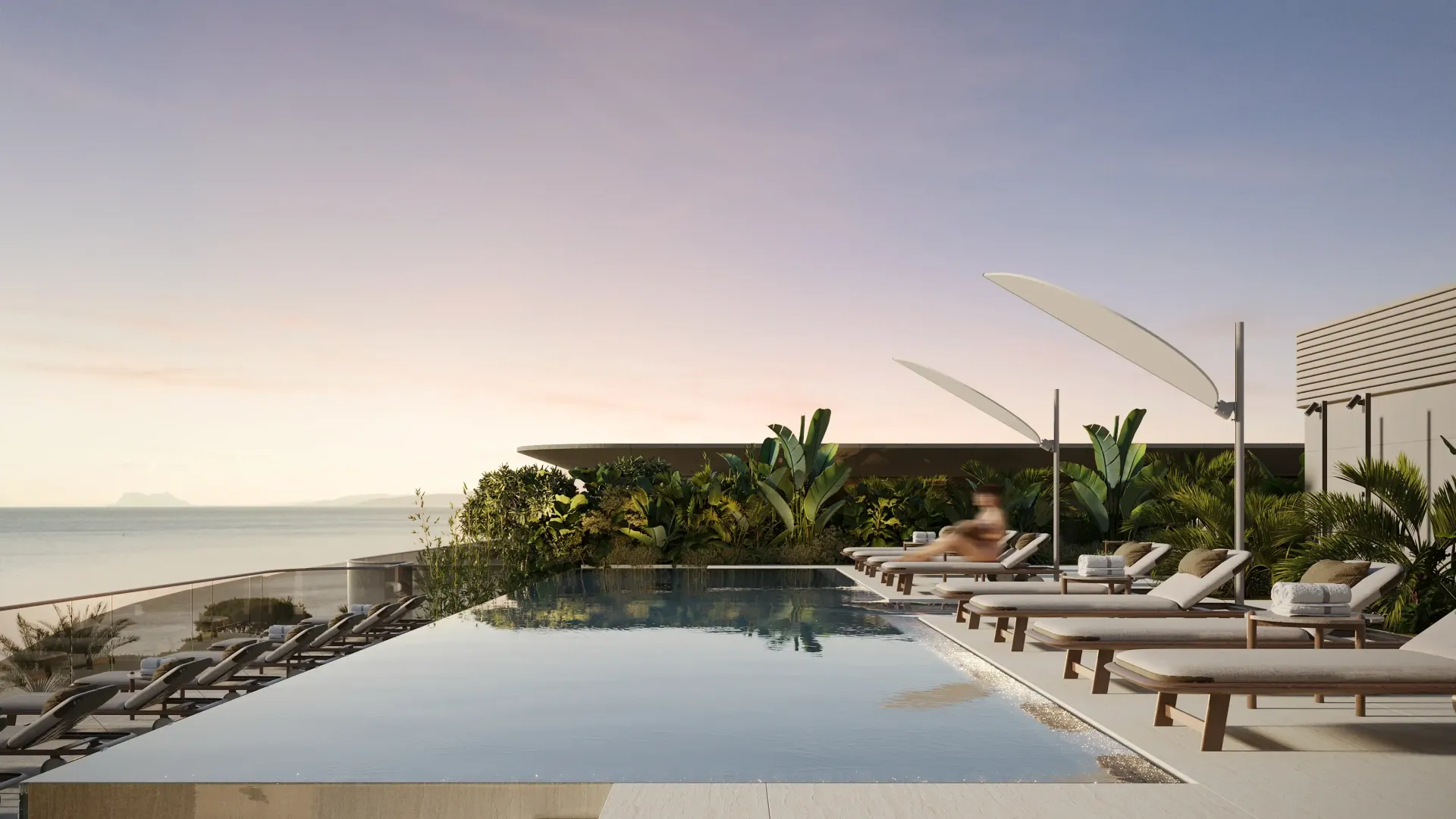
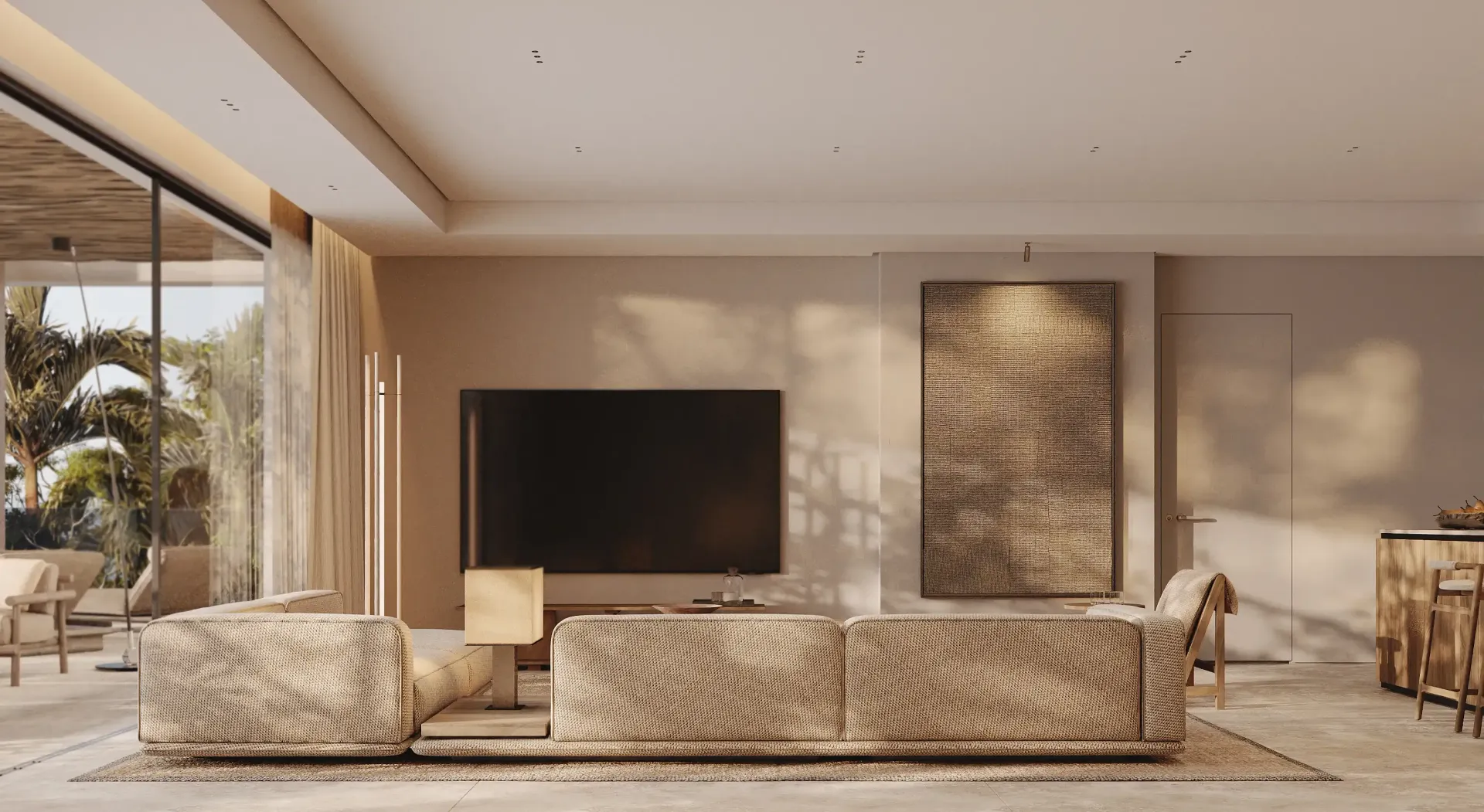
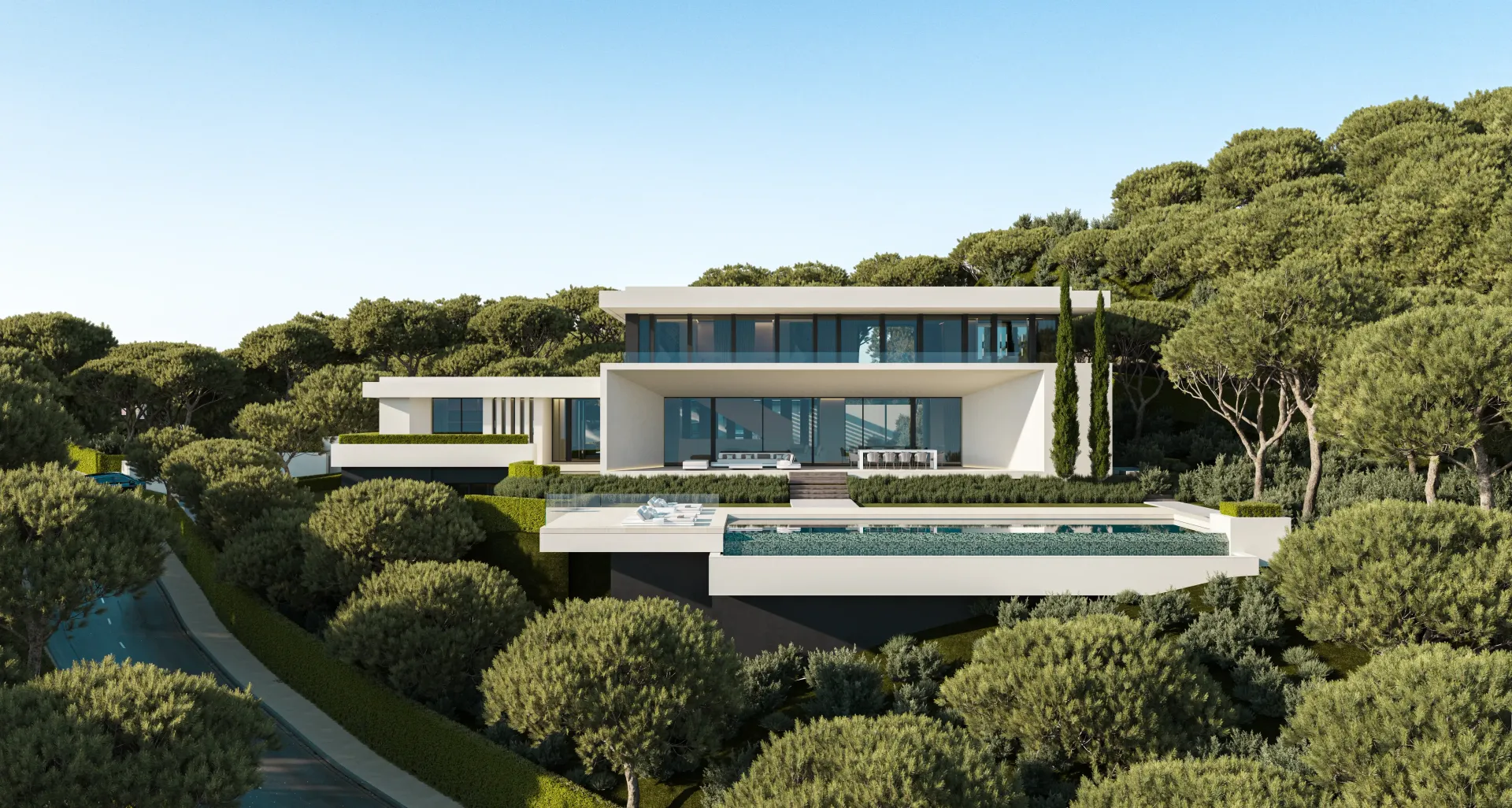
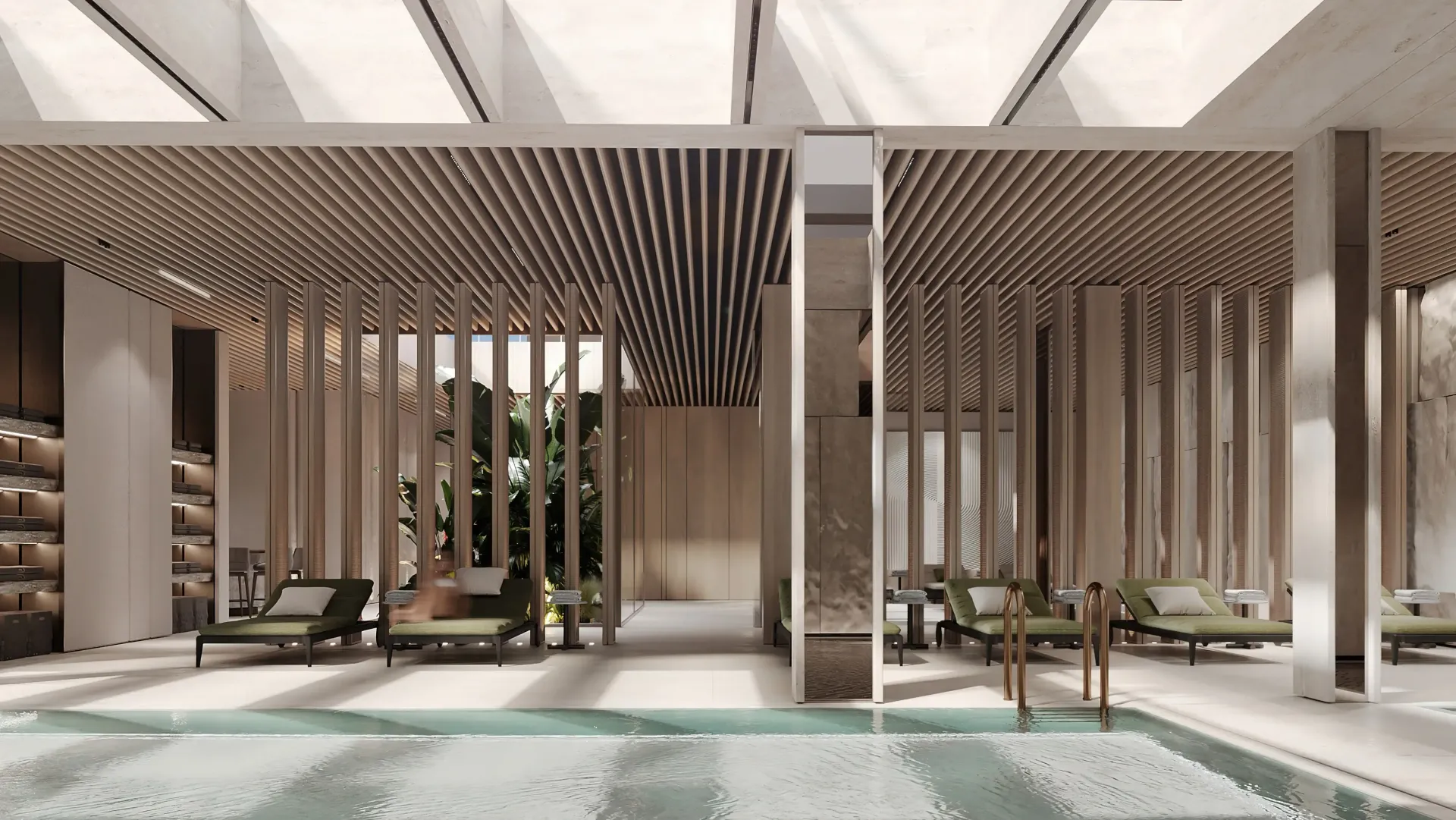
Estepona's commitment to structural sustainability is elevated by landmark private projects that set new regional benchmarks for luxury. Tyrian Residences is leading this wave, pioneering the Costa del Sol’s first WELL Silver Certified beachfront residence, transforming the skyline of the seafront promenade with 40 distinctive "sky villas".
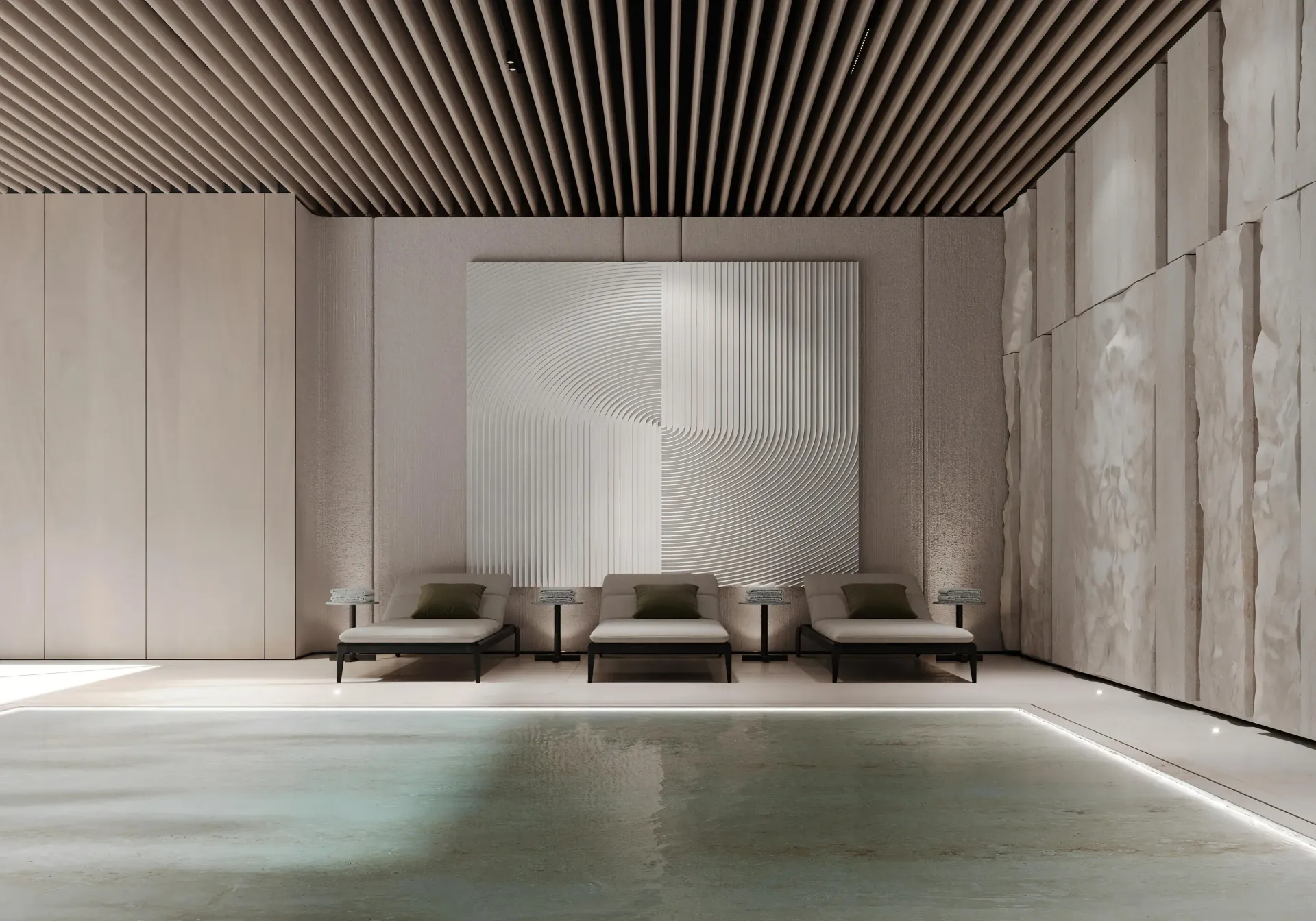
This significant €70 million investment demonstrates an elevated commitment to resident quality of life by achieving WELL Silver standards certification. This globally recognised standard integrates design, wellbeing, and technology into a resort living concept, focusing on holistic health through rigorous metrics related to air quality, light, water, and fitness.
This pioneering status has been validated by strong market confidence, with over 60% of units sold before completion. Furthermore, Tyrian Residences enhances the public infrastructure through its "Smart Boulevard," featuring cutting-edge elements like noise-reducing asphalt, speed-sensitive lighting, and drought-resistant landscaping, reinforcing Estepona's commitment to sustainable urban development.
III. The Garden of the Costa del Sol: Lifestyle and Urban Renewal
Estepona’s urban transformation into "The Garden of the Costa del Sol" has profoundly enhanced the Quality of Life (QoL), making it a powerful magnet for lifestyle-driven relocations.
A Pedestrianized Cultural Heart
Over 130 streets in the historic centre have been pedestrianised, adorned with over 23,000 flower pots, transforming the centre into a vibrant, accessible hub. This urban design prioritises mobility and community engagement. Cultural integration is visible through the Open-Air Museum, which features over 60 large-scale murals and poetry plaques, fostering civic pride and a unique cultural identity.
Major Infrastructure and Accessibility
Key public works enhance connectivity. The expansive Bulevar Parque Central is creating approximately 22,000 square meters of public space, featuring leisure and commercial areas. Crucially, it includes an underground car park integrated into the municipal network, offering affordable daily rates for many new spaces at just a euro a day.
Furthermore, Estepona has completed over 90% of its 22-kilometre segment of the Coastal Pathway (Corredor Litoral), promoting walking and cycling along the coastline.
Q&A Section
Is Estepona a better investment choice than Marbella right now?
Estepona offers superior potential for capital appreciation in the current cycle, with annual growth rates reaching +15%. While Marbella provides established prestige, Estepona is positioned as a middle-ground market with a lower entry price (average €3,735–€4,057/m²), making it highly appealing for investors focused on ROI and future growth over the next three to five years.
How is Estepona mitigating regional drought and water scarcity risks?
Estepona is utilising a proactive, autonomous strategy, investing in a fast-build desalination plant near the Castor river. The plant is designed to be energy self-sufficient using solar panels and aims to produce 20,000 cubic meters of water daily. This project was undergoing tests as of an update in February 2025, fundamentally mitigating the risk of region-wide drought restrictions on local property values.
What is the appeal of Estepona's lifestyle for international families?
Estepona attracts families due to its strong focus on Quality of Life (QoL), evidenced by its 57% increase in green space over the past decade, its pedestrianised old town, and its excellent educational ecosystem, which includes several leading international schools. The area also benefits from a low debt status and low property taxes.
What does it mean that Estepona is the first town on the Costa del Sol with a Low Emission Zone?
It means Estepona is demonstrating leadership in environmental responsibility, voluntarily restricting the most polluting vehicles in the old town centre to improve air quality and promote sustainable mobility. This aligns the town with modern European sustainability mandates, a critical factor for securing long-term residential appeal.
News & Insights