23 February, 2026
contents
Key Summary
- Circadian lighting and advanced air purification are becoming core biohacking systems in luxury homes, directly affecting sleep quality, cognitive performance and long-term health.
- UHNW buyers are shifting from amenity-led wellness to longevity-driven living, prioritising residences that perform biologically rather than visually.
- Properties that integrate light and air at an architectural level show stronger desirability, price resilience and long-term relevance, redefining how value is measured in high-end real estate.
Introduction
As global lifestyles become more demanding and uncertainty reshapes investment logic, high-end residential assets are no longer evaluated only through location, scale or finishes. Wellbeing has moved to the centre of decision-making.
According to the Global Luxury Real Estate Report 2025 by Coldwell Banker and Knight Frank, 51% of European luxury buyers now prioritise quality of life over location or finishes, up from 32% in 2022. Real silence (68%), access to natural light (62%) and proximity to green spaces (55%) have emerged as new metrics of value, reshaping how premium residential assets are assessed.
Within this context, biohacking has entered residential architecture as a framework. Light and air, once treated as background technical elements, are now understood as biological drivers that influence daily performance, long-term health and asset resilience.
What does biohacking mean in residential real estate?
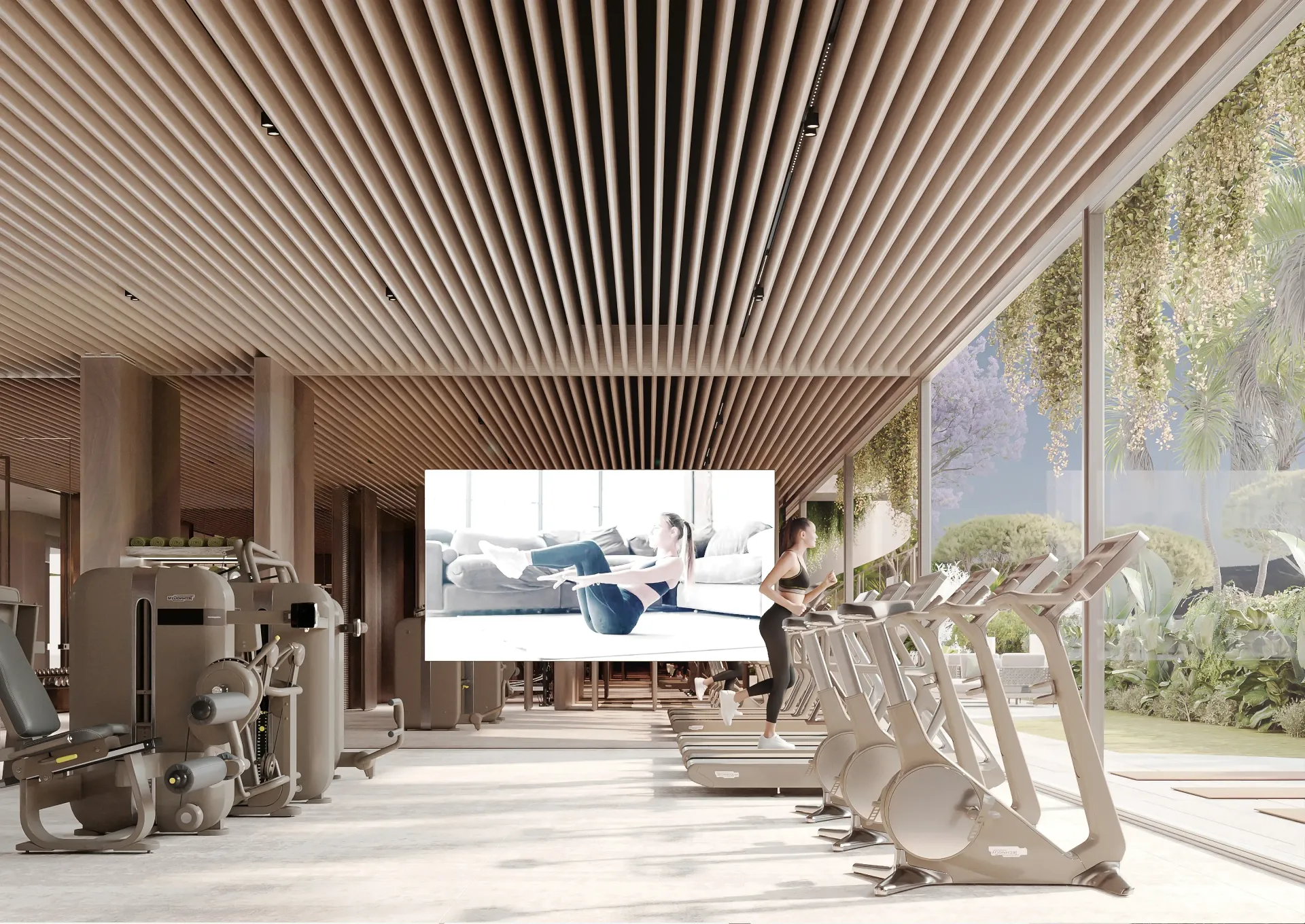
In a real estate context, biohacking does not refer to devices or short-lived wellness trends. It refers to the intentional design of environments that support the body’s biological systems.
This includes how light regulates circadian rhythms, how air quality affects immune response and cognition, and how stable indoor conditions reduce stress over time.
Unlike gyms or spas, these systems operate continuously and invisibly. They shape daily experience without requiring effort from the resident.
This shift is reflected in recent wealth reports, where health-led living now ranks among the top decision drivers for UHNW buyers in mature luxury real estate markets, alongside location, build quality and long-term resilience.
Why is circadian lighting becoming a priority for UHNW buyers?
Circadian lighting is designed to align artificial light with the body’s natural day–night cycle. Bright, cooler light supports alertness and focus during the day. Warmer, lower-intensity light in the evening prepares the body for rest and sleep.
Disruption of this rhythm is closely linked to poor sleep, reduced cognitive function and long-term health issues. For globally mobile individuals, frequent travel already places strain on biological clocks. Homes that support circadian alignment help mitigate this stress.
Research from the International WELL Building Institute links optimised lighting and ventilation to a 20% improvement in cognitive performance, a benefit that has begun to translate into stronger buyer appeal and low single-digit value premiums in wellness-aware luxury markets.
From a market perspective, circadian lighting is increasingly perceived as a marker of architectural quality and future-proof design. In wellness-aware luxury markets, it contributes to stronger buyer appeal, reduced negotiation at resale and modest but consistent value uplift.
How does air purification influence wellbeing and property value?
Air quality has become one of the most underestimated drivers of residential value.
Advanced air purification systems filter pollutants, allergens and fine particles while maintaining optimal humidity and fresh air exchange. These systems improve respiratory health, reduce inflammation and support cognitive clarity.
In high-end residential markets, properties with integrated air quality strategies tend to show faster absorption and stronger retention. They signal build quality, care and long-term thinking, all of which translate into perceived and real value.
How do biohacking systems impact luxury property value?
While no single percentage applies across all markets, data from prime residential locations shows consistent patterns in how biohacking-led systems influence value.
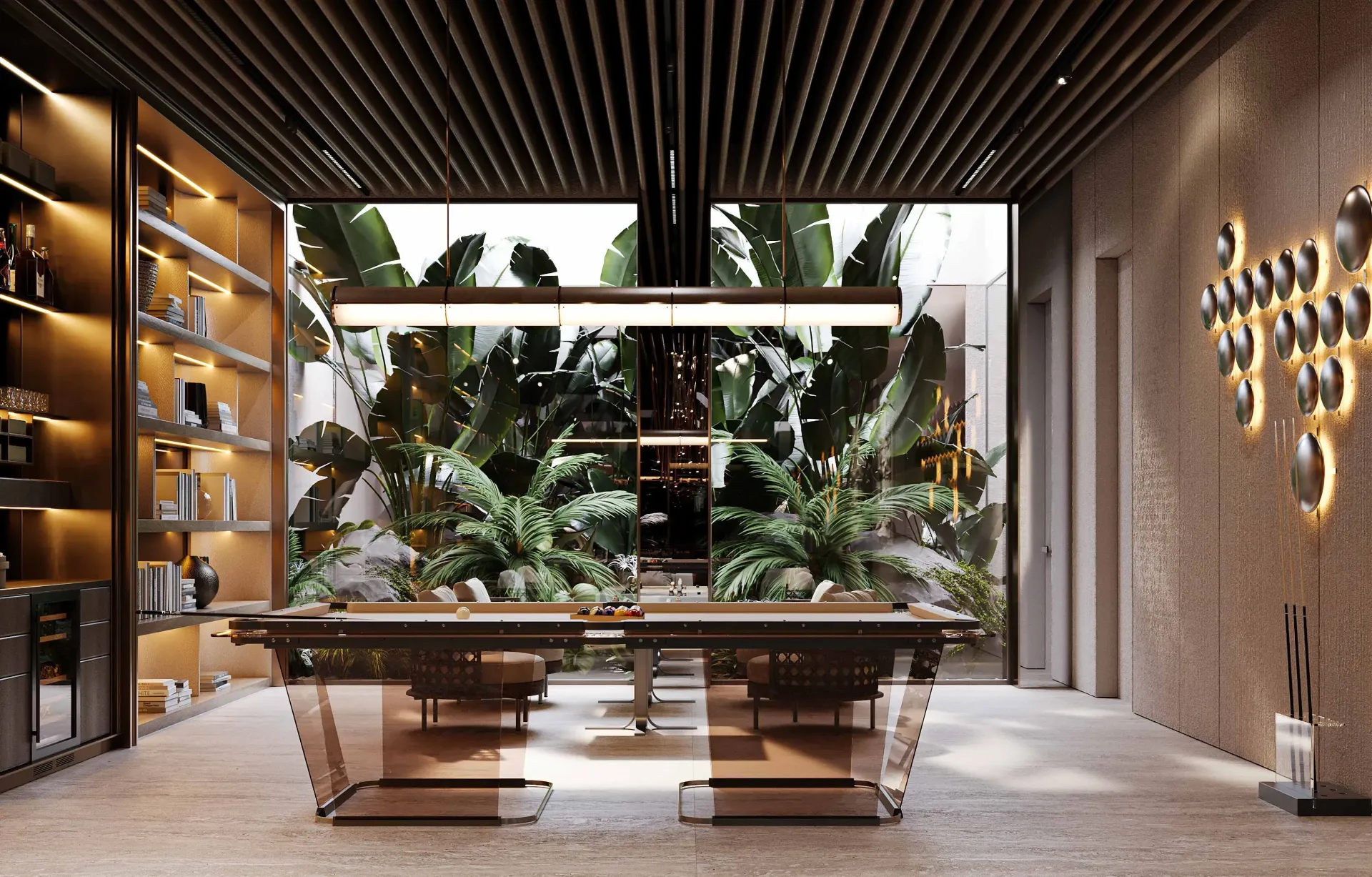
In wellness-aware luxury markets, integrated circadian lighting and smart environmental systems are associated with low- to mid–single-digit value premiums, typically in the 2–5% range, particularly in properties above the €3–5 million threshold.
Advanced air purification and HVAC upgrades show even stronger signals. Health-focused residential assets report value uplifts of up to 7–10% in markets where indoor air quality is a recognised priority, alongside faster absorption and reduced price negotiation.
Beyond headline pricing, these systems contribute to softer but decisive metrics: shorter time on market, higher buyer confidence, and stronger long-term retention. For UHNW investors, this translates into resilience rather than speculative upside.
Which biohacking features age well in luxury homes?
Not all biohacking elements carry the same longevity.
Highly specific devices can lose relevance if they are difficult to repurpose. In contrast, architectural systems such as light, air, acoustics and thermal comfort age quietly and consistently.
These elements are not read as trends. They are experienced as good design.
From an investment standpoint, this distinction matters. Buyers may change habits, but they rarely reject natural light, clean air or stable indoor environments.
How these principles are already being applied in practice
These principles are no longer theoretical. They are already shaping how high-end residential projects are conceived in mature luxury markets.
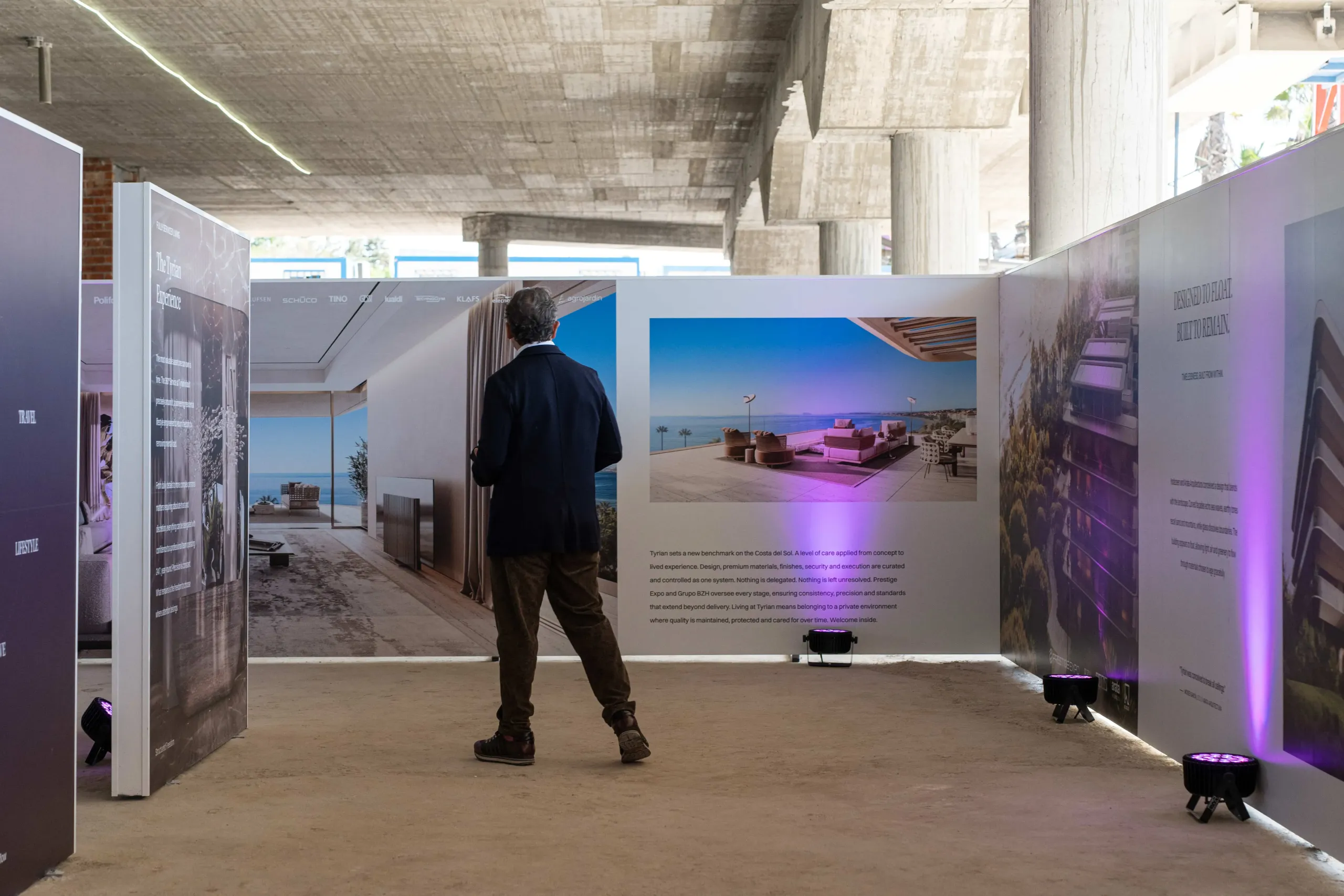
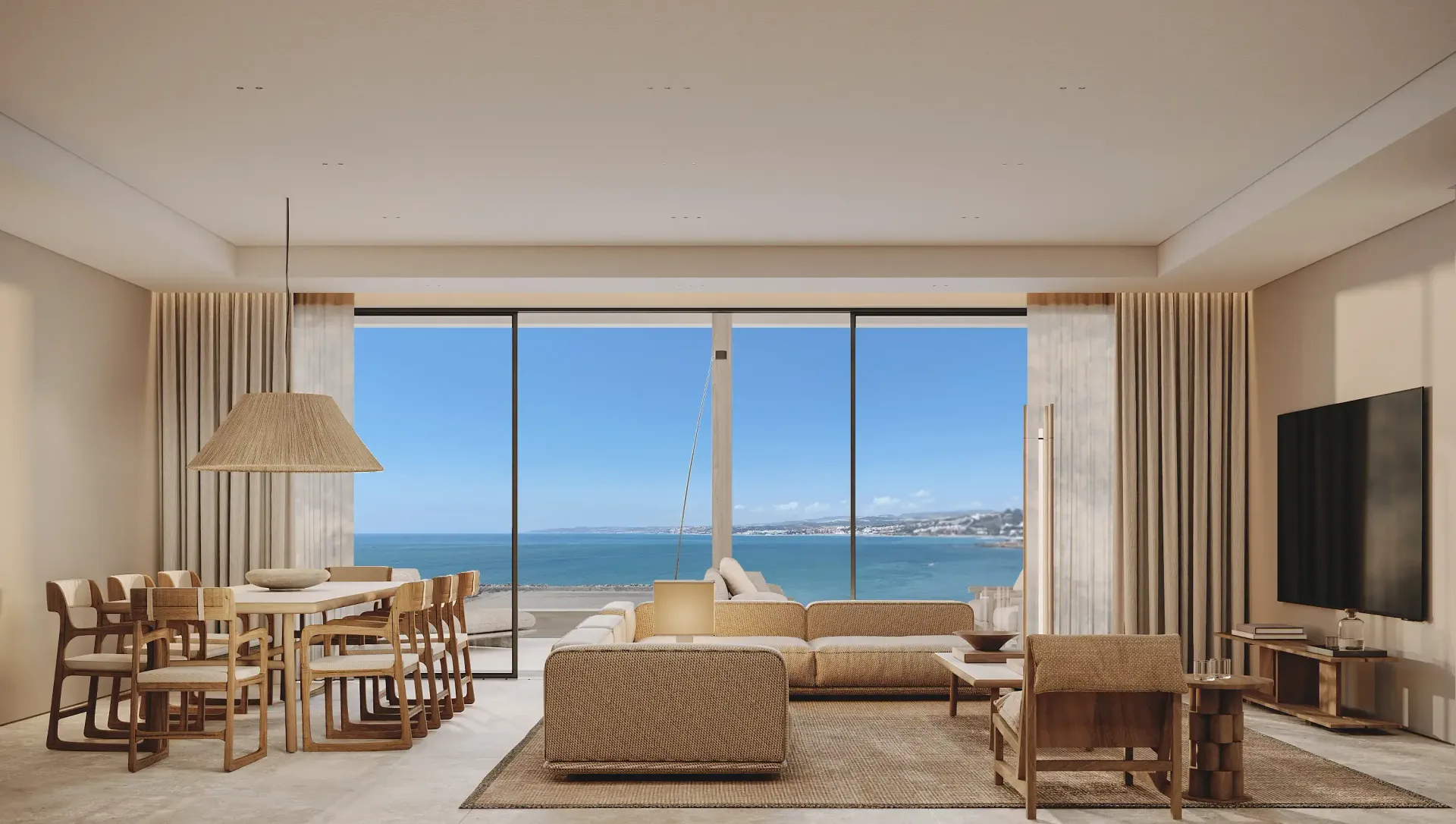
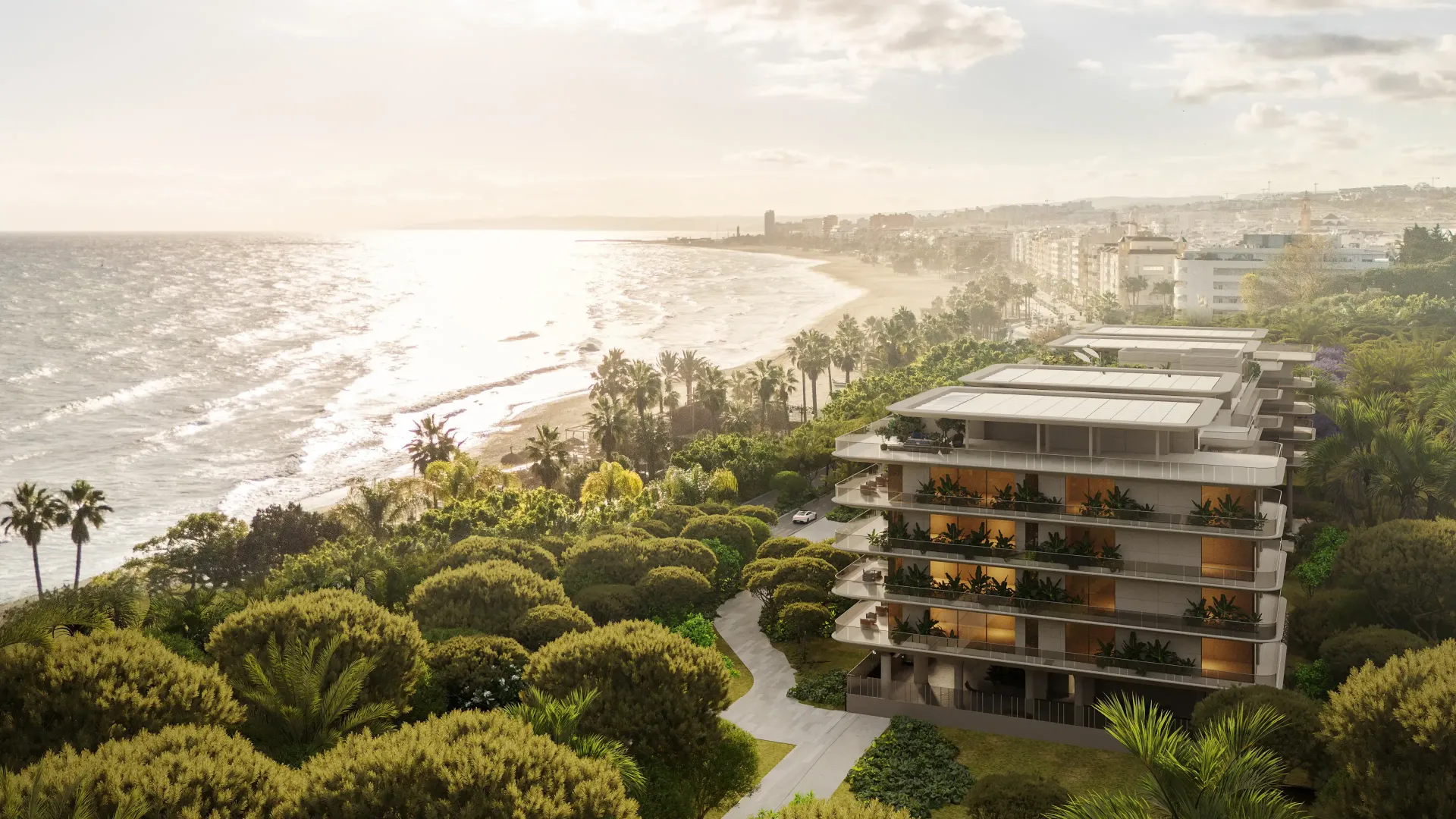
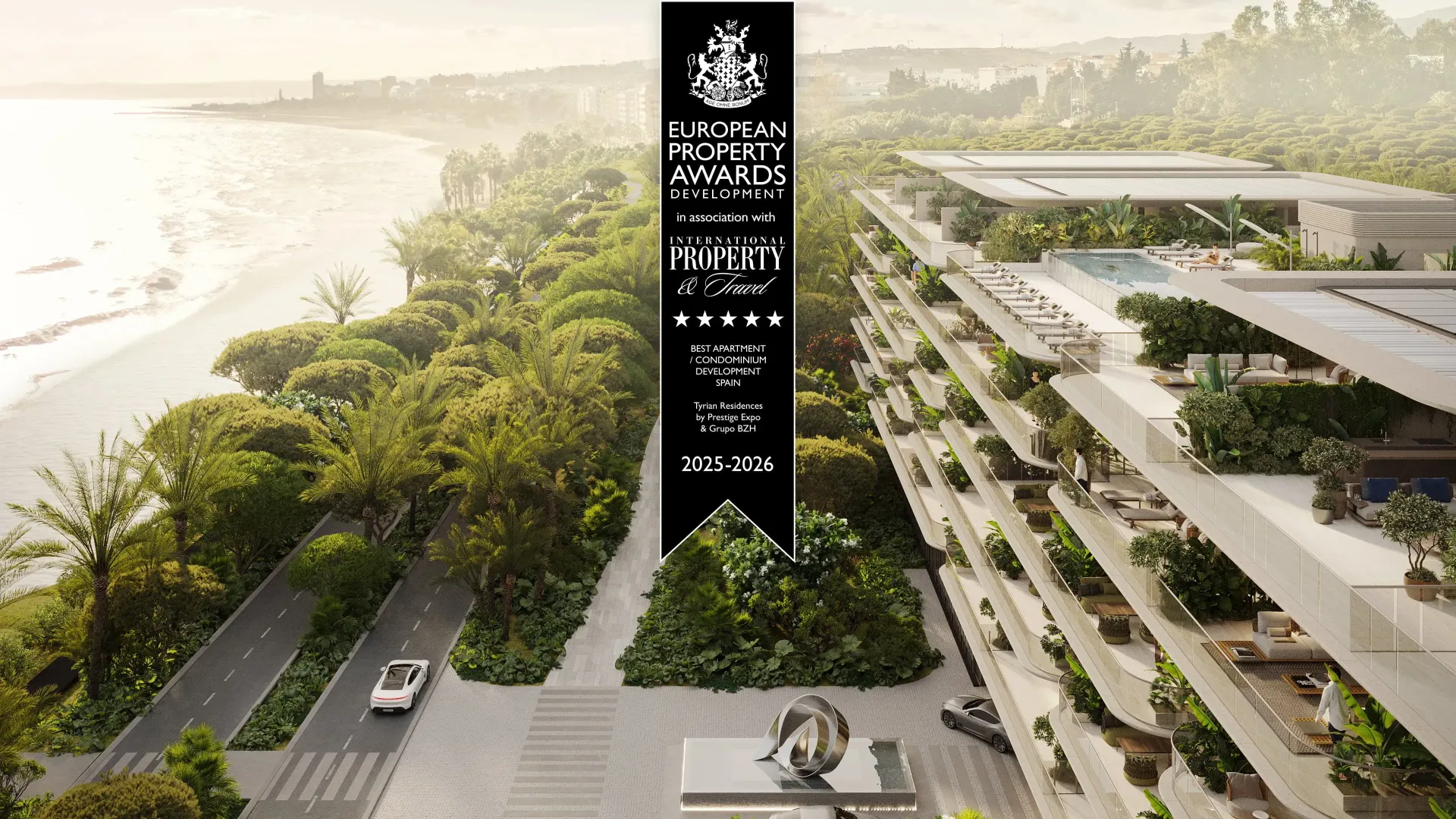
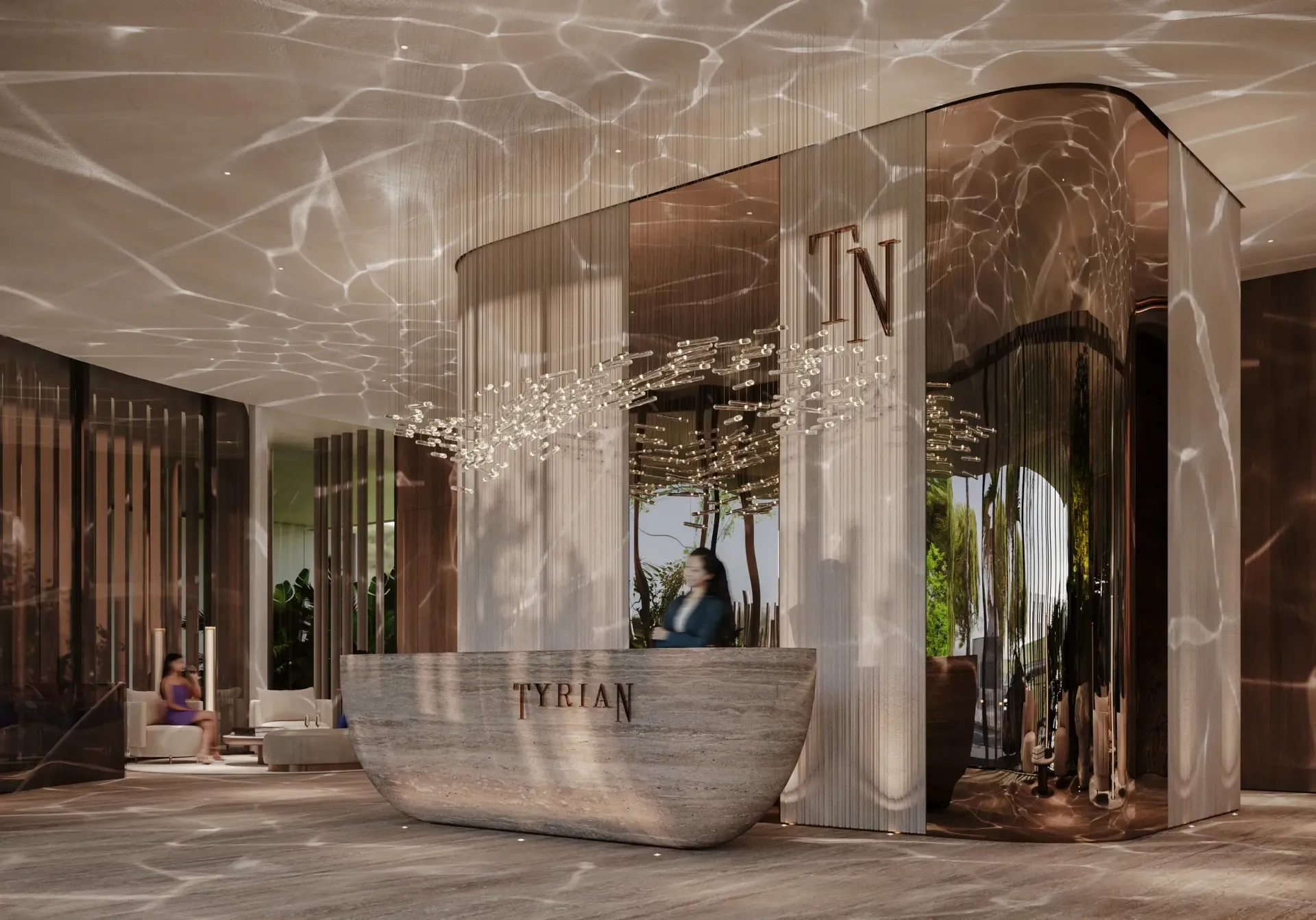
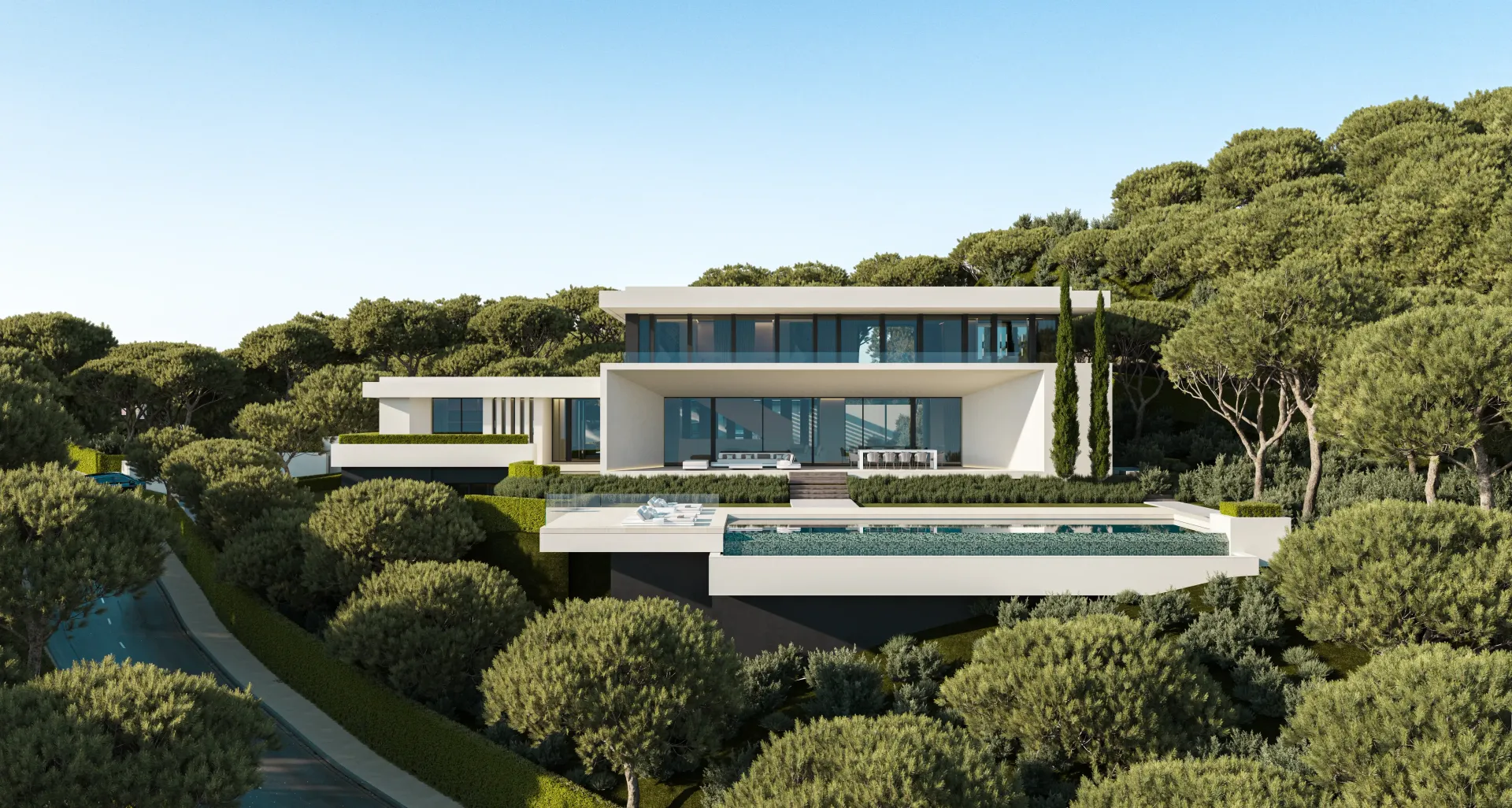
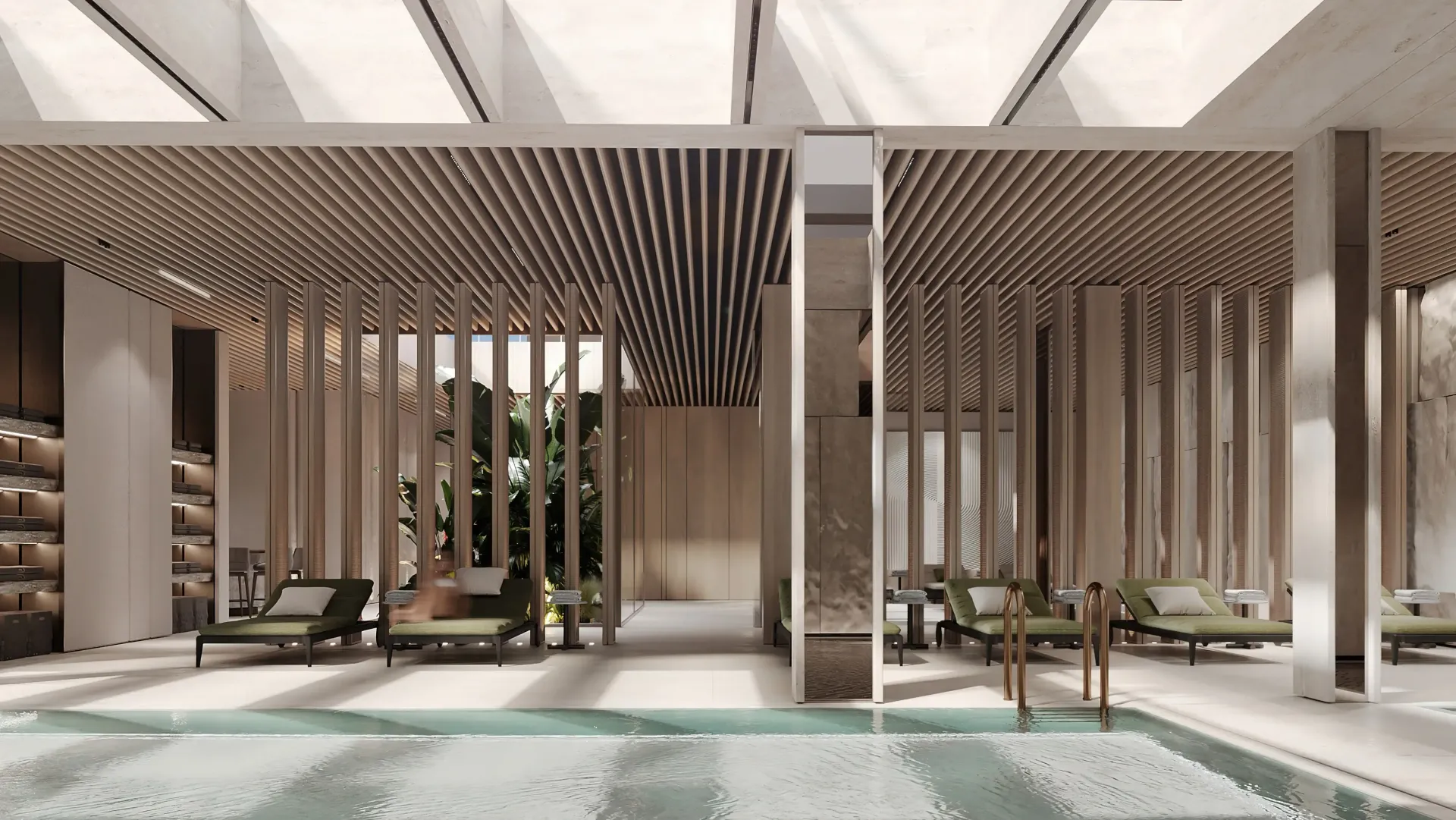
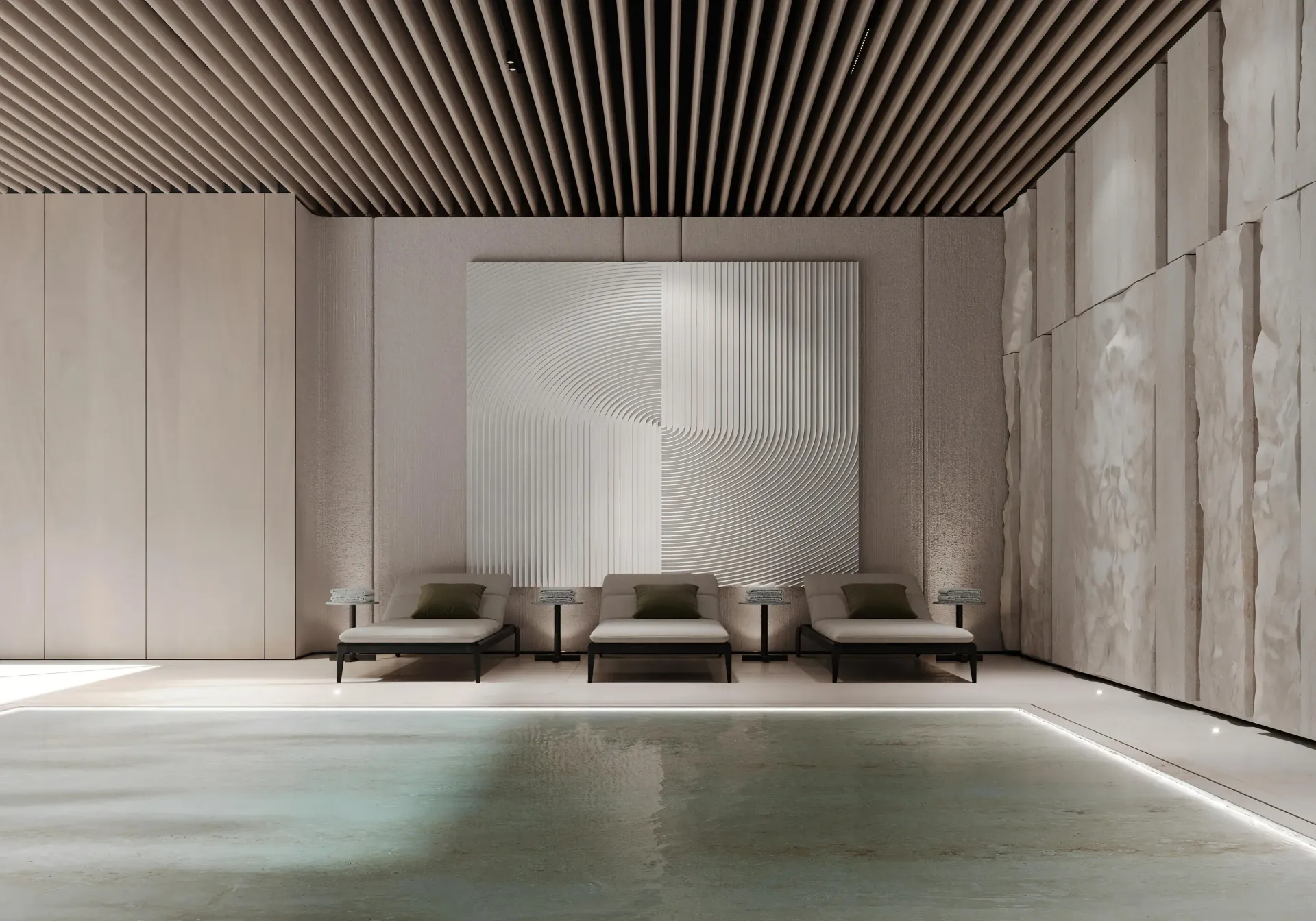
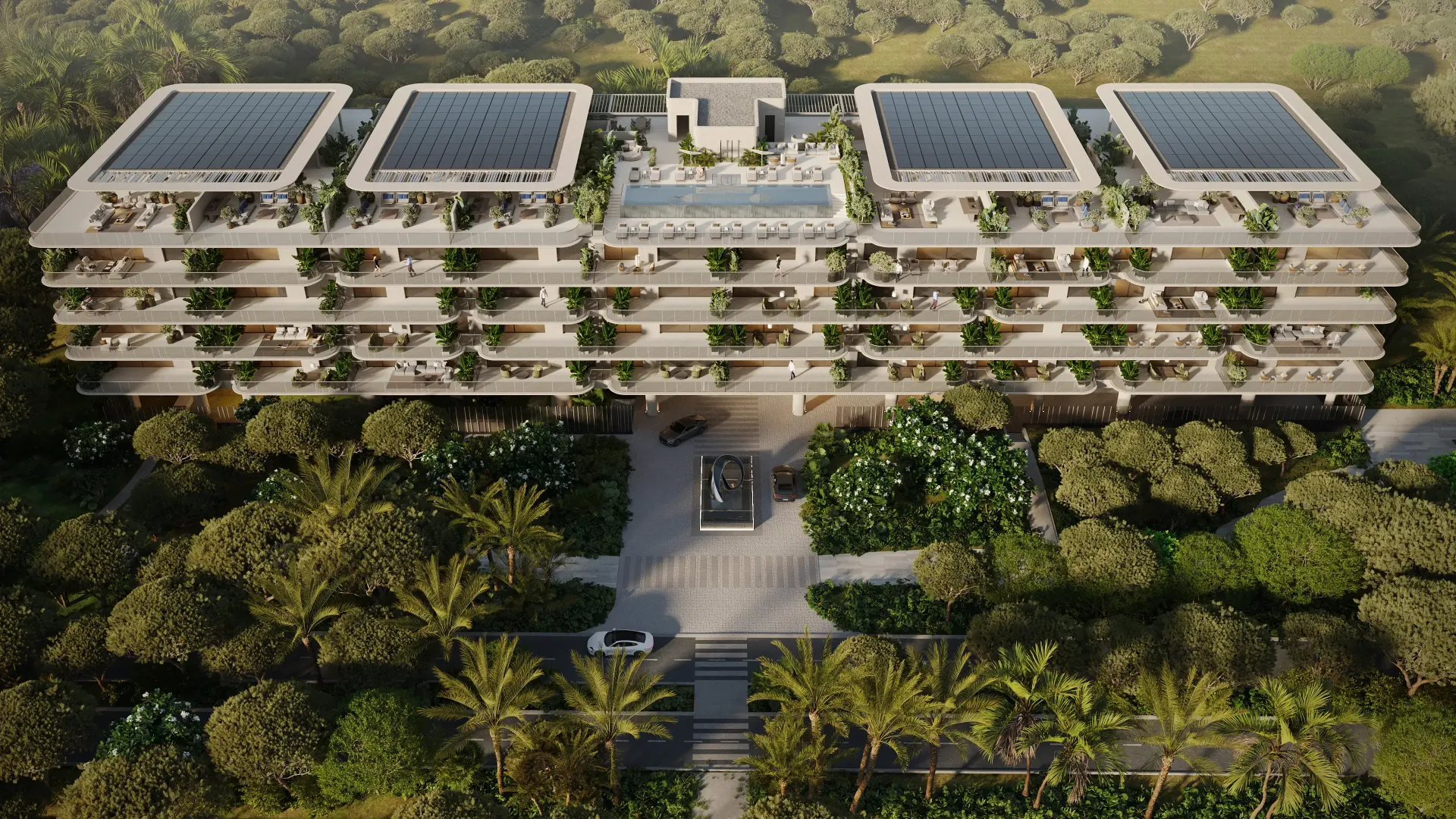
A clear example is Tyrian Residences, part of the Prestige Expo Group collection. The project is the first residential development on the Costa del Sol conceived and built in alignment with WELL criteria, integrating circadian lighting, advanced air purification and treated water systems at an architectural level.
Rather than presenting wellness as an amenity, these systems form part of the building’s environmental infrastructure, operating continuously and invisibly. The result is a residential environment designed to support sleep quality, cognitive clarity and long-term wellbeing, while reinforcing the asset’s resilience and future relevance.
News & Insights