1 December, 2025
contents
Location and Accessibility
Where is Estepona
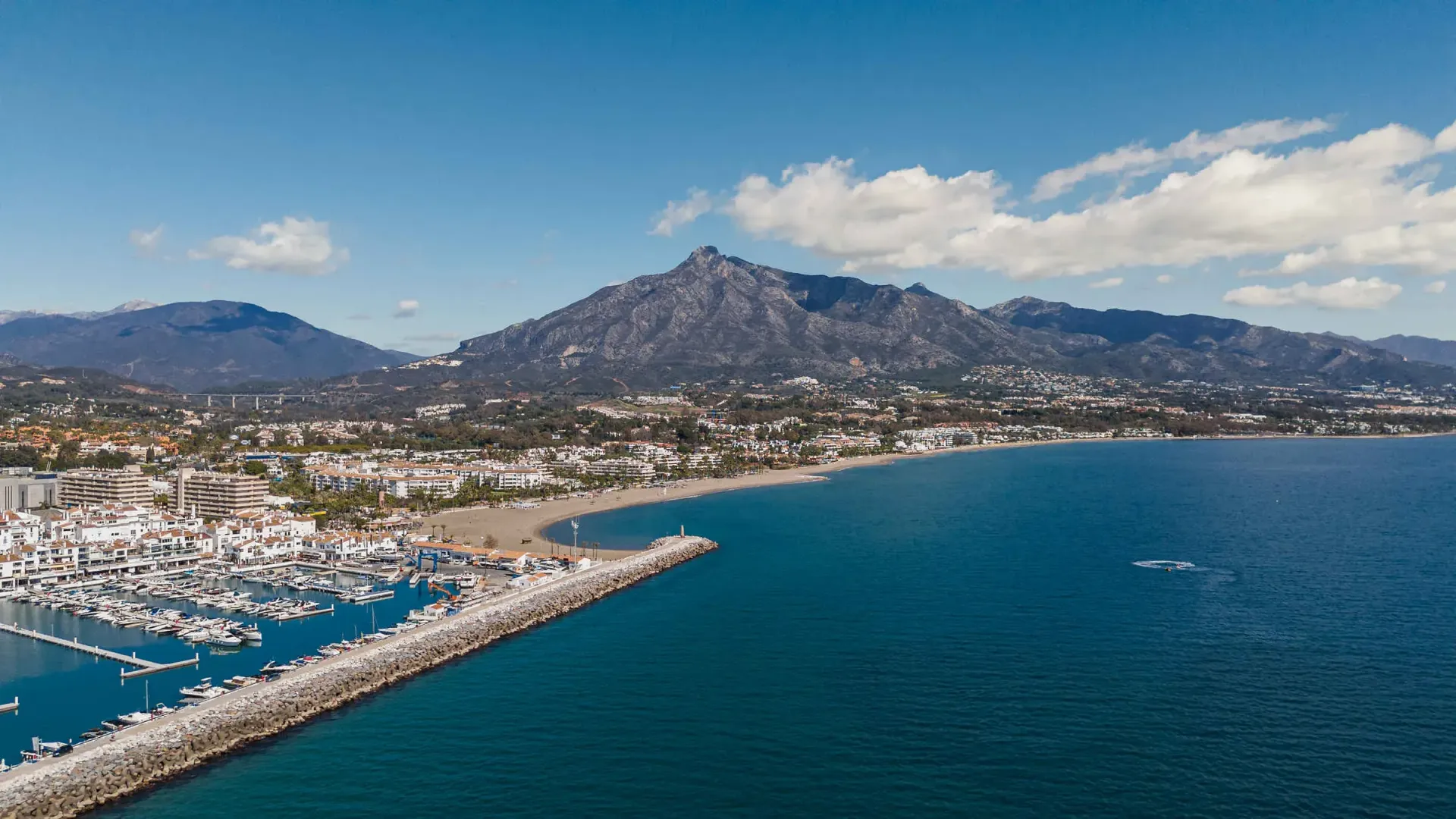
Estepona is in the province of Málaga, on the western Costa del Sol. The municipality spans 23 km of coastline and extends inland toward the Sierra Bermeja Natural Park, creating a landscape where sea and mountains meet.
Airports and Global Connectivity
Estepona benefits from access to two international hubs:
• Málaga Airport, Spain’s fourth busiest, is under an hour away via the AP 7.
• Gibraltar Airport is 45 km away and offers direct flights to the UK.
Both airports offer strong connections to Europe and long-haul links via Madrid, Barcelona, London, Frankfurt, and Amsterdam.
Distances to Key Destinations
Marbella is 30 km east.
Sotogrande is 20 minutes west.
Málaga city is 90 km away.
Sevilla is under three hours.
This central position gives residents access to international schools, healthcare, marinas, golf courses and business hubs across the coastline.
Sustainable Infrastructure: A City Investing in Long-Term Quality
Estepona is implementing one of the most consistent urban modernisation programmes in southern Spain. The municipality has focused on improving lighting, public space, drainage, pavements, pedestrian areas and essential services. The approach is continuous, pragmatic and aligned with long term goals.
Efficient Public Lighting
Recent projects include:
• installation of solar powered streetlights across residential and peri urban areas
• replacement of outdated fixtures with LED low consumption units
• reduced energy demand and lower municipal operating costs
• improved night time visibility and safety.
In October and November 2025, the municipality approved the installation of 369 solar streetlights across 13 streets, through an investment close to €250,000. Further phases are in technical study for 2026.
Urban Renewal and Public Space Upgrades
Ongoing renovation of public areas helps maintain a clean, functional and well-cared-for town.
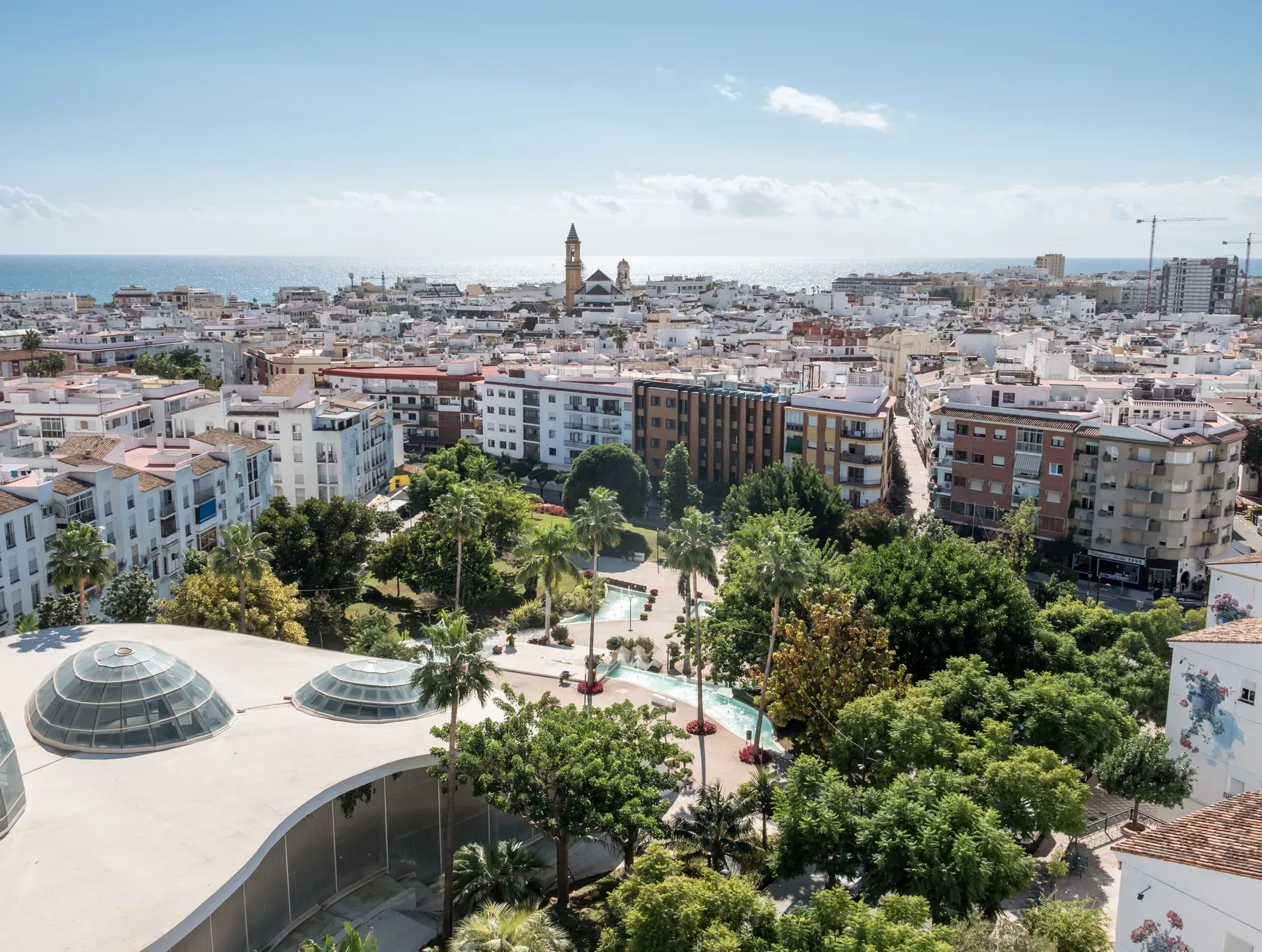
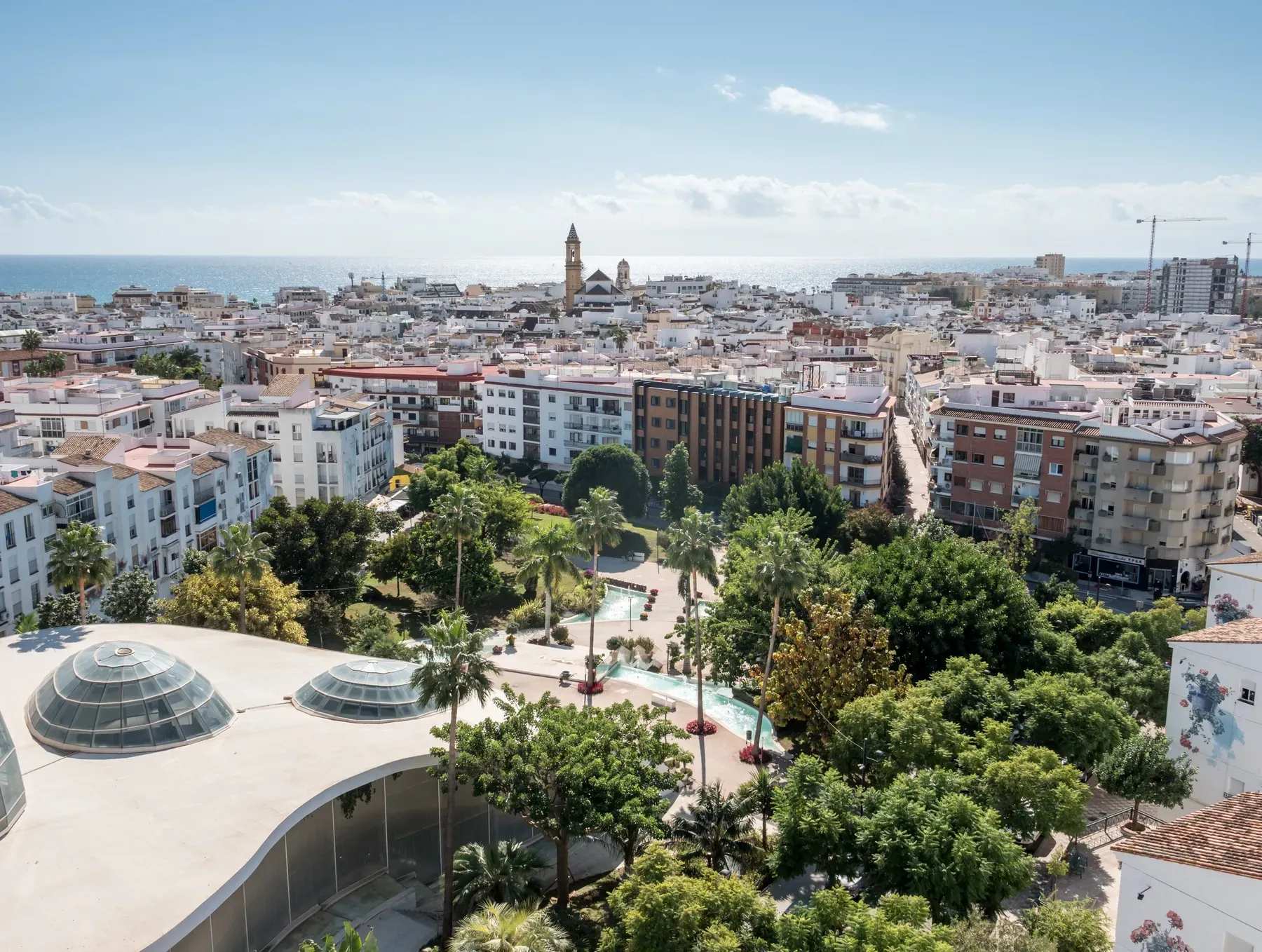
A recent example is the full redevelopment of Plaza Cristóbal Colón, which includes:
• new paving
• updated drainage and sanitation networks
• new urban furniture
• improvements to utilities
• an intervention over 1,841 square metres
• a budget of approximately €470,000.
This consistent investment reduces urban ageing, strengthens public safety and contributes to a predictable environment appreciated by long-term residents and investors
Climate and Year Round Living
Estepona enjoys over 320 days of sunshine each year, mild winters and moderate summer temperatures. The Sierra Bermeja creates a microclimate that balances humidity and heat, making the area comfortable year-round.
Winter daytime temperatures average around 16ºC, and the town maintains full activity throughout the year. Restaurants, shops, markets and cultural venues operate without strong seasonal closure, supporting a stable residential rhythm.
Community, Demographics and Quality of Life
Estepona has approximately 75,000 residents according to the Instituto Nacional de Estadística. More than 25 percent come from other European countries, mainly the UK, Germany, the Netherlands and Scandinavia. The community is international but grounded, with year round families, professionals and long term residents.
Education
Estepona and its surroundings offer strong international schooling options, including:
• The International School Estepona
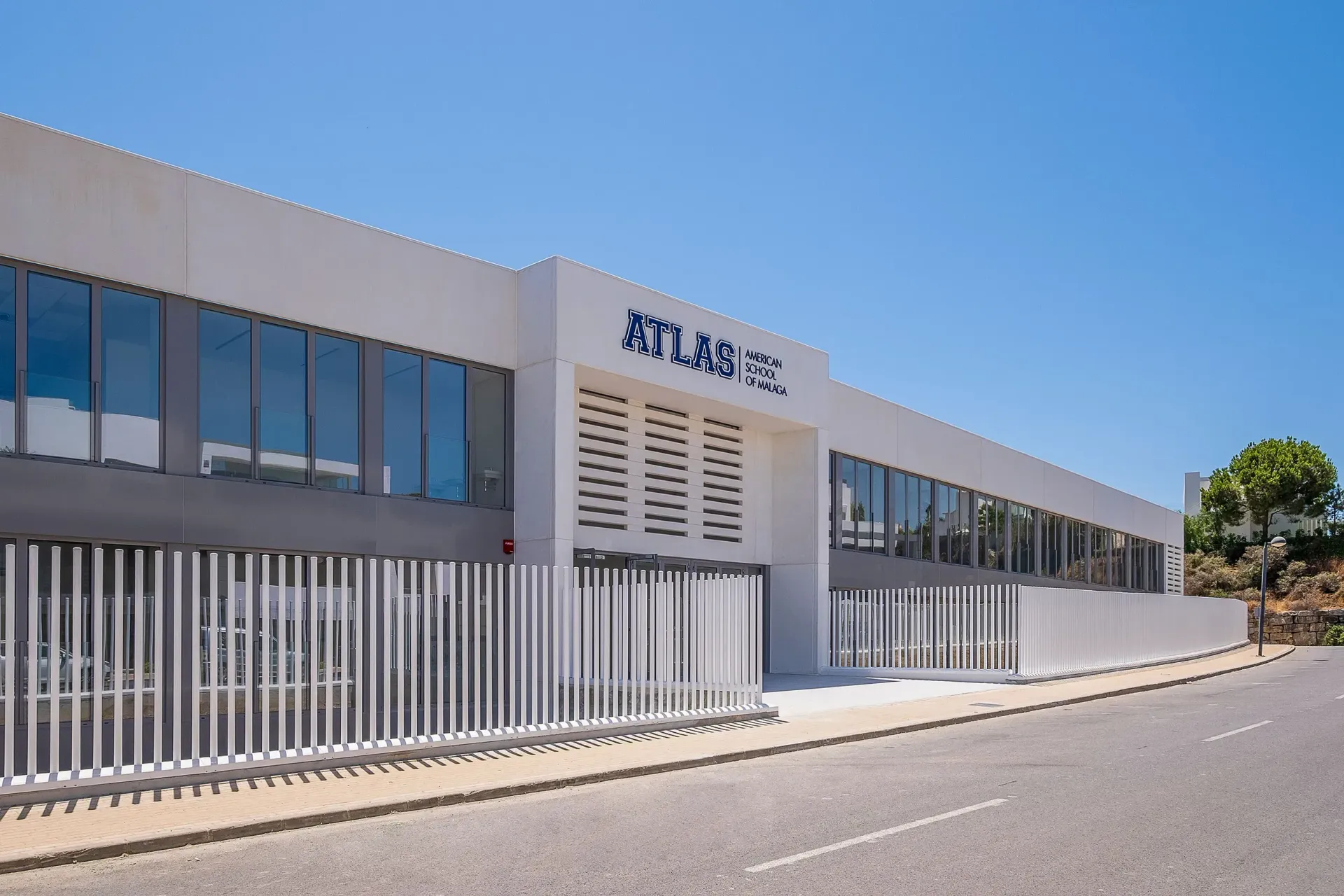
• Atlas American School
• Laude San Pedro (San Pedro Alcántara)
• Aloha College (Marbella)
• The British International School of Marbella (Marbella)
These institutions support long-term relocation for families.
Healthcare
The town is served by:
• Hospital de Alta Resolución de Estepona (public, opened 2021)
• Vithas Xanit Hospital
• Hospiten
• A network of clinics, specialists and emergency services.
This combination contributes to a high standard of healthcare access across the coast.
Safety and Stability
Estepona is known for its calm, residential character and a strong sense of everyday security. The town benefits from steady local policing, well-maintained public spaces and a growing year-round community, which contributes to a stable atmosphere throughout the seasons. Recent upgrades to lighting, pavements and residential areas have further improved visibility and mobility, reinforcing a safe and comfortable environment for long-term living.
Lifestyle and Experiences
The coastline offers sailing, paddleboarding and long walks along the Senda Litoral. The Sierra Bermeja provides hiking, cycling and nature routes.
Golf is central to the region. Estepona sits close to Europe’s leading courses, including:
• Finca Cortesin
• La Reserva Club Sotogrande
• Real Club Valderrama
• Villa Padierna
• El Paraíso Golf Club.
Equestrian centres, tennis academies, sports clubs and marinas complete a lifestyle that blends nature, sport and culture. Cultural venues such as the Felipe VI Auditorium, the Orchidarium and open-air mural routes create activity throughout the year.
Real Estate Market Outlook for 2026
Current Market Indicators
According to Idealista and the Ministry of Transport and Urban Development, Estepona has registered one of the strongest price increases in Andalucía over the last year, surpassing Marbella and Benahavís in rate of growth.
Demand is sustained by:
• international relocation
• limited supply of high specification new builds
• rising interest in energy efficiency and wellness
• long-term coastal living rather than seasonal tourism
Projections Toward 2026
Market analysts expect the western Costa del Sol to maintain moderate upward pressure through 2026 due to:
• limited seafront development capacity
• stable demand from Northern and Western Europe
• the growing importance of WELL, ESG and service-driven living
• consistent year-round occupancy
Family offices are increasingly evaluating Estepona for:
• long-term rental strategies
• branded residences
• mixed-use projects tied to hospitality
• diversified residential portfolios
Rental Market
Demand for long-term rentals remains strong. Modern, energy-efficient homes maintain high occupancy and low vacancy rates, appealing to investors seeking a stable yield.
Estepona Compared to Other Destinations
Estepona sits in a strategic position between Málaga and Cádiz, surrounded by towns with distinct identities and lifestyles. Understanding the differences helps clarify why Estepona has consolidated a reputation for balance, liveability and long term value.
Estepona vs Marbella
Marbella and Estepona are only 25 minutes apart, yet they represent two distinct interpretations of Mediterranean living. Both are strong markets, but their positioning, rhythm and long term dynamics differ in ways that matter to residents, buyers and investors.
Identity and Lifestyle.
Marbella is an established international reference. It offers a well-established social scene, luxury retail, fine dining, and a rich history as a destination for global travellers. Its lifestyle is dynamic, cosmopolitan and built around hospitality, entertainment, shopping and beach clubs. Puerto Banús, the Golden Mile and its luxury hotels create a high-profile atmosphere with strong brand recognition.
Estepona offers a calmer, more grounded rhythm. It has preserved Andalusian authenticity while upgrading infrastructure and public space. The Old Town, the coastal promenade, neighbourhood parks and murals shape a walkable environment with a local feel. The lifestyle is defined by nature, everyday convenience and a balanced community rather than nightlife and tourism.
Urban Structure and Density.
Marbella is denser, with complex traffic flows and a more fragmented urban layout. The municipality has areas of older infrastructure alongside premium zones. Urban pressure is higher due to long-standing development and tourism. The diversity of neighbourhoods creates varied experiences in terms of noise, mobility and day-to-day life.
Estepona has followed a controlled urban strategy over the last decade. It prioritises pedestrian areas, green zones, efficient public lighting and continuous renewal of pavements, drainage and public infrastructure. Density is lower, mobility is simpler and the town feels more cohesive. The municipality maintains a clear long-term vision for sustainable growth.
Real Estate Market.
Marbella’s prime areas remain some of the most expensive on the Costa del Sol. Demand is global, driven by international recognition. The market offers a wide range of properties, from villas to older apartments and new developments. However, buildable land is scarce, and competition among buyers is high.
Estepona has experienced strong annual price growth, surpassing Marbella in rate of increase according to Idealista reports. The market offers newer developments, larger interiors, better energy efficiency and stronger integration with nature. Compared with Marbella, price per square metre in Estepona remains attractive while offering high quality stock. This creates upside potential that analysts expect to remain stable into 2026.
Year-Round Living.
Marbella is active year-round but has stronger seasonal peaks tied to tourism and summer activity. Estepona has a more even annual rhythm, with fewer seasonal fluctuations. Residents value its calm winters, accessible services and consistent lifestyle throughout the year.
Who Each Town Attracts.
Marbella appeals to buyers looking for brand recognition, social life, entertainment and proximity to five-star hospitality. Estepona appeals to those who seek privacy, nature, long-term residency, modern homes and a calm environment without losing connectivity.
Estepona vs Málaga City
Málaga city is the cultural and economic hub of the region. Its profile is very different from Estepona’s, making the two towns complementary rather than competitive.
Identity and Lifestyle.
Málaga is a major provincial capital with museums, tech companies, universities, a historic centre and an expanding corporate ecosystem. The city has transformed over the last 15 years into a cultural and innovation hub. Its rhythm is urban and dynamic, with strong tourism, cruise ship traffic and a busy commercial centre.
Estepona offers a coastal lifestyle shaped by nature, walkability and residential comfort. It maintains an identity rooted in Andalusian character, with a quieter environment suitable for long term living or relocation. It is not a business centre, which is part of its appeal.
Urban Experience.
The city is larger, more densely populated and offers a metropolitan experience. It has theatres, museums (Picasso, Thyssen, Pompidou), a large port, the Muelle Uno marina-commercial area and an active cultural agenda. Traffic, noise and seasonal tourism are part of urban life.
Estepona is smaller and more controlled. It has undergone extensive urban renewal, improving pavements, lighting, parks and neighbourhoods. Mobility is easier, and distances are manageable. The town feels curated and orderly, suited to residents seeking convenience and quiet rather than intensity.
Real Estate Market.
Prices vary widely depending on the area. Demand is strong for city centre apartments, new builds and properties near the coastline. The market is driven by cultural appeal, tourism and corporate relocation.
Estepona is defined by newer developments, larger residential communities, beachfront opportunities and modern amenities. It appeals to buyers seeking space, privacy and long term value. Coastal land is more limited, which supports future price stability.
Who Each Town Attracts.
Málaga attracts professionals, entrepreneurs, city lifestyle buyers and those who want an urban base with cultural weight. Estepona attracts residents who want coastal living, calm neighbourhoods, nature, modern homes and proximity to Málaga without the intensity of the city.
Accessibility.
Málaga Airport is located in the city, which gives it a clear advantage for frequent international travellers and business users. From Estepona, the airport is still under an hour away, offering strong connectivity with a calmer living environment.
Estepona vs Benahavís
Benahavís is known for gated communities, mountain villas and large private estates. It is among the wealthiest municipalities in Spain. The lifestyle is private, calm and centred around golf and nature.
Estepona offers a more balanced environment with coastal access, walkability, schools, marinas and year round activity. Both appeal to international buyers but offer different day to day experiences.
Estepona vs Puerto Banús
Puerto Banús is defined by its marina, luxury retail, nightlife and social life. It is dense and vibrant, with year round visitors.
Estepona offers a calmer, more residential atmosphere, wider beaches, newer urban fabric and more privacy. Many residents choose Estepona for home and Puerto Banús for leisure.
Estepona vs Benalmádena
Benalmádena is lively, well connected and close to Málaga Airport. It has beaches, a marina, theme parks and active nightlife. The urban environment is denser and more vertical.
Estepona is more premium in tone, lower in density and follows a clearer urban plan. For long term value, Estepona offers stronger land scarcity, modern developments and a more curated environment.
Estepona vs Sotogrande (Cádiz)
Sotogrande is in the province of Cádiz and is known for polo, sailing, golf and low density private estates. It offers privacy and sports based living.
Estepona, larger and more diverse, offers a functional town centre, international services, marinas, culture and beachfront developments. Sotogrande excels in exclusivity and sport. Estepona excels in accessibility and daily convenience.
Why Estepona Appeals to Long-Term Investors
Estepona has become one of the most strategically balanced residential markets in southern Spain. Its appeal comes from a combination of stable international demand, limited coastal land, consistent public investment and a year round rhythm that supports permanent living.
The municipality maintains a clear planning vision, reflected in ongoing upgrades to lighting, pavements, plazas and drainage networks, which reduce urban ageing and reinforce long-term value. Safety also plays a role. Recent figures from the Ministry of Interior show low rates of serious incidents compared with larger coastal cities, supported by improved lighting and steady policing.
At the same time, the area offers modern, energy efficient developments that align with global expectations around wellness and sustainability. Andalucía’s favourable fiscal framework adds an extra layer of stability for long term asset planning. Together, these factors position Estepona as a reliable, future ready environment for private buyers, families and long term investors seeking a calm, well managed coastal setting.
News & Insights